Smart Thermostats vs. Programmable Thermostats: Pros, Cons, and What to Consider
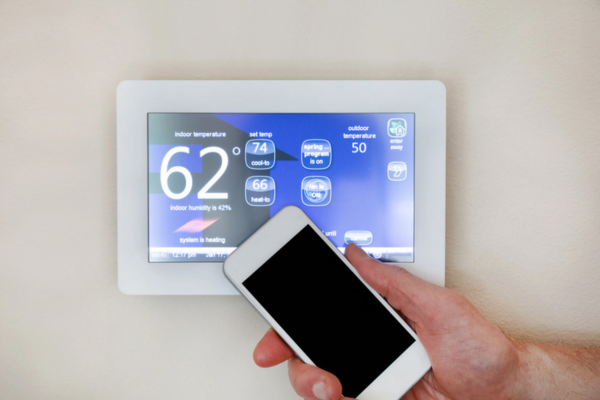
When comparing a smart thermostat vs programmable thermostat, both can reduce unnecessary heating and cooling, but they differ in automation, remote access, features, cost, and ease of use. The right choice depends on your household routine, desired level of control, and HVAC needs.
This article compares how each thermostat works, its advantages and limitations, and the key factors homeowners should consider when selecting the right option for their HVAC system.
Understanding Your Thermostat Options
Smart and programmable thermostats both provide greater temperature control than basic manual models. However, the way they manage temperature settings and adapt to household routines can make one option more suitable than the other.
What Is a Programmable Thermostat?
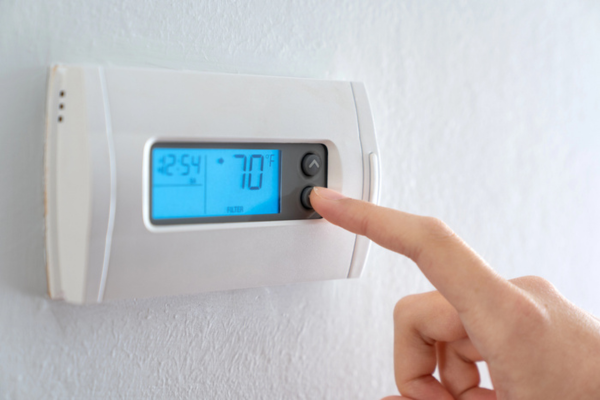
A programmable thermostat adjusts heating and cooling based on a preset schedule. Homeowners can set different temperatures for specific times and days. Common formats include 7-day, 5-2, and 5-1-1 schedules. These options provide varying flexibility for weekday and weekend routines. Programmable thermostats offer simple, automated temperature control. They typically do not require Wi-Fi, mobile apps, or other connected technology.
Pros and Cons of Programmable Thermostats
Programmable thermostats offer straightforward scheduling without the connectivity and advanced automation of smart models. Their benefits and limitations largely depend on how consistent a household’s routine is.
Pros:
- Lower Initial Cost: Programmable thermostats generally cost less than smart models, making them an affordable way to automate heating and cooling schedules.
- Simple Operation: Once programmed, the thermostat adjusts temperatures automatically at designated times without requiring Wi-Fi, apps, or ongoing connectivity.
Cons:
- Limited Flexibility: Preset schedules work best for predictable routines. Changing work hours, travel, or irregular occupancy may require frequent adjustments.
- Manual Programming Requirements: Homeowners must create and update schedules as routines or seasons change. Incorrect or outdated settings can reduce comfort and limit potential energy savings.
What Is a Smart Thermostat?
A smart thermostat is a Wi-Fi-connected device that provides advanced control over an HVAC system. Homeowners can monitor and adjust temperatures remotely using a smartphone, tablet, or compatible device.
Many models also include occupancy detection, geofencing, learning capabilities, and adaptive scheduling. These features can adjust heating and cooling based on household activity and routines. Smart thermostats may also provide energy reports, runtime data, and maintenance reminders. These insights can help homeowners better understand HVAC performance and energy use.
Pros and Cons of Smart Thermostats
Smart thermostats provide more automation and control than programmable models. However, their advanced features can come with higher costs and greater reliance on connected technology.
Pros:
- Greater Convenience and Control: Remote access allows homeowners to adjust temperatures from almost anywhere. This is especially useful when daily schedules change unexpectedly.
- Advanced Energy Management: Features such as occupancy-based controls and automated adjustments can reduce unnecessary HVAC operation. Energy reports can also help homeowners identify usage patterns.
Cons:
- Higher Purchase Cost: Smart thermostats generally cost more upfront than programmable models. Professional installation may increase the total expense.
- Dependence on Technology: Some features require Wi-Fi, mobile devices, user accounts, or cloud services. Homeowners should also consider software support and data privacy when choosing a model.
Smart vs. Programmable Thermostats: Key Differences to Consider in Southern New Jersey
Choosing between these thermostat types involves more than comparing features. Consider your daily routine, HVAC system, budget, and preferred level of control.
- Household Schedule: Programmable thermostats work well for predictable routines. Smart models offer more flexibility when schedules frequently change.
- Level of Automation: Programmable models rely primarily on preset schedules. Smart thermostats can use occupancy, location, and household activity to make automatic adjustments.
- HVAC System Compatibility: Compatibility depends on the equipment, wiring, voltage, staging, and system type. Some smart thermostats also require a common wire or an approved alternative.
- Budget and Long-Term Value: Programmable thermostats generally have a lower upfront cost. Smart models cost more but provide additional automation, monitoring, and remote-control features.
- Smart-Home Integration: Smart thermostats may connect with compatible home automation platforms and other devices. This can provide more centralized control over home comfort.
Which Thermostat Is Right for Your New Jersey Home?
A programmable thermostat may be the better choice if your household follows a predictable routine. It adjusts temperatures automatically without requiring Wi-Fi or connected features. A smart thermostat offers greater flexibility for changing schedules. It can also provide remote control, adaptive settings, energy insights, and smart-home integration.
Your HVAC system also plays an important role in the decision. Thermostat compatibility can depend on the equipment type, wiring, voltage, and control requirements. An HVAC professional can evaluate these factors and recommend a suitable model. Professional installation also helps ensure the thermostat communicates correctly with your heating and cooling system.
FAQs: Smart Thermostat vs Programmable Thermostat

How Does Thermostat Placement Affect Temperature Accuracy?
Thermostat location can significantly affect how accurately it measures indoor temperature. Placement near direct sunlight, exterior doors, windows, kitchens, supply vents, or other heat sources can produce misleading readings and cause the HVAC system to cycle unnecessarily. A central interior location away from drafts and temperature extremes generally provides more representative readings.
Can a New Thermostat Improve Indoor Comfort Without Replacing the HVAC System?
Yes, depending on the existing controls and equipment. A properly configured thermostat can provide more consistent temperature management, reduce unnecessary cycling, and better coordinate heating and cooling with household routines. However, it cannot correct underlying problems such as improper HVAC sizing, restricted airflow, or failing equipment.
Can Thermostat Batteries Affect HVAC Performance?
Yes. Battery-powered thermostats may display inaccurate information, lose programmed settings, or stop communicating properly with the HVAC system when the batteries weaken. Replacing batteries according to manufacturer recommendations can help prevent unexpected control problems.
Do Thermostats Need Routine Maintenance?
Thermostats require relatively little maintenance, but periodic checks are beneficial. Homeowners should keep the unit clean, replace batteries when applicable, verify that temperature readings appear accurate, and watch for delayed or inconsistent HVAC response. Professional HVAC maintenance can also include checking thermostat operation and system communication.
How Long Does a Thermostat Typically Last?
Many thermostats can remain functional for around 10 years or longer, although lifespan varies by model, installation quality, usage, and technology. Consider replacement when controls become unreliable, temperature readings are inaccurate, buttons or displays fail, or an older thermostat no longer provides the features your HVAC system needs.
Conclusion
Smart and programmable thermostats can improve temperature control while reducing unnecessary HVAC operation. Programmable models offer simple scheduling at a lower upfront cost, while smart thermostats provide remote access, automation, energy insights, and greater flexibility. The right choice depends on your HVAC system, budget, routine, and preferred level of control.
If you are considering an upgrade, contact McAllister Energy for professional HVAC service in Southern New Jersey. A qualified technician can confirm compatibility, recommend a suitable thermostat, and ensure proper installation for reliable, efficient operation.
Contact McAllister Energy for Complete HVAC Services in Southern New Jersey
McAllister Energy provides reliable heating and cooling services throughout Southern New Jersey, including professional thermostat installation and HVAC system evaluations. Our certified technicians can help determine whether a smart or programmable thermostat is compatible with your system and install it for proper operation.
We also provide HVAC tune-ups, diagnostics, repairs, installations, and replacements. Our services are designed to improve comfort, support energy efficiency, and keep operating costs under control. When service or an upgrade is needed, we recommend practical solutions suited to your home and budget.
Contact McAllister Energy today to schedule thermostat or HVAC service in Southern New Jersey or request a convenient in-home estimate.
You can click here to contact us now or call us at (856) 665-4545 to find out more! Click the link to view our service area.

Related Articles: