
Heating Oil
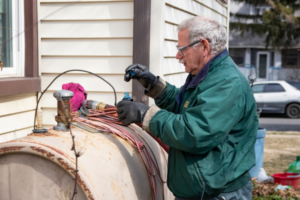
Summer heat and humidity can affect a heating oil tank in ways that may not be immediately visible. Temperature changes or prolonged fuel storage can contribute to several issues inside and around the tank. Understanding how these seasonal conditions influence corrosion and tank components can help homeowners recognize potential concerns before colder weather returns.

Heating oil has remained a dependable choice for home comfort through generations of changing energy needs. Its combination of consistent heat, on-site fuel storage, to modern efficiency improvements continues to appeal to homeowners seeking reliability. Understanding these benefits can help explain why heating oil remains a trusted option for winter home heating.

Heat can influence more than just outdoor comfort; it can also affect stored heating oil. Learn how warm temperatures impact fuel quality, storage conditions, and heating system performance, along with the factors homeowners should understand before colder weather returns. Discover why proper seasonal care matters and how to keep your heating oil in excellent condition.

Choosing the right heating oil provider can shape your comfort, costs, and peace of mind. From dependable delivery timing to personalized service and transparent pricing, local suppliers offer advantages that go beyond basic fuel supply. Understanding these benefits can help homeowners make smarter decisions when preparing for seasonal temperature changes and ongoing home heating needs.

Energy prices constantly fluctuate, leaving many homeowners wondering whether affordable heating oil remains a practical option. With modern equipment improvements and evolving fuel markets, heating oil continues to play an important role. Understanding the factors behind pricing and efficiency can help homeowners evaluate whether this traditional fuel remains a smart heating choice today.

Keeping your home warm during winter requires more than simply filling a tank. The way your fuel is delivered can influence your schedule, budget, and overall peace of mind. Discover how structured delivery plans, efficiency improvements, and proactive service strategies can transform seasonal heating from a constant concern into a smoother, more manageable experience.

Heating oil costs can climb quickly once winter settles in, making thoughtful planning essential. Understanding how seasonal demand, household usage, and timing influence fuel expenses can help reduce surprises during colder months. With the right approach, homeowners can gain better control over winter heating costs while maintaining consistent indoor comfort.

Insulation plays a powerful role in how efficiently a home uses heating oil during winter. From attics to walls and hidden air leaks, small weaknesses can quietly drive up fuel usage. Understanding how insulation impacts heat retention can reveal why some homes stay warmer longer and why others consume more oil than expected.

Heating oil is undergoing a major transformation driven by cleaner fuels, smarter controls, and high-efficiency equipment. This article explores how modern innovations are reshaping performance, sustainability, and long-term home comfort. Discover how heating oil technology is evolving and what it could mean for the future of residential warmth.

Many winter beliefs about fuel oil and home heating seem convincing, yet many actually lead to wasted energy, higher costs, and unnecessary wear on your system. This article breaks down the most common misconceptions that homeowners encounter, helping you understand what truly affects efficiency, comfort, and performance during the coldest months of the year.