What Homeowners Should Know About Oil Heating Systems

An oil heating system produces warmth by burning heating oil and circulating heated air or water throughout the home. If you are wondering how does oil heating system work, understanding how its components transform stored fuel into consistent indoor heat can help you better appreciate this dependable heating method.
Today’s oil heating systems offer reliable, energy-efficient comfort when properly maintained. Learning how they work can help homeowners recognize performance issues, understand their equipment, and make informed maintenance decisions.
This article explains how oil heating systems generate and distribute warmth, identifies their essential components, and addresses common misconceptions about oil-fired heating.
Understanding How Oil Heating Systems Operate
Oil-fired heating equipment burns fuel from a storage tank to generate warmth throughout the home. Depending on the heating system, warm air travels through ducts and vents, while heated water circulates through baseboards or radiators to maintain comfortable indoor temperatures.
How the Oil Heating Cycle Works
When the temperature inside your home drops below the thermostat’s set point, the thermostat activates the heating equipment. This initiates a series of steps that generally includes the following:
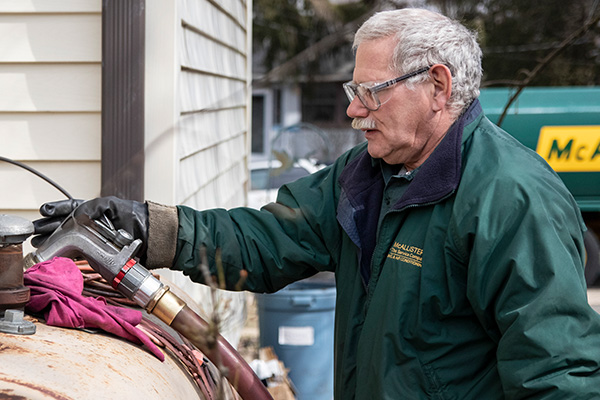
- Fuel Supply: The fuel pump pulls heating oil from the storage tank and delivers it directly to the burner.
- Oil Atomization: The burner nozzle breaks the fuel into tiny droplets, combining them with air to prepare for combustion.
- Ignition and Combustion: The fuel mixture ignites within the combustion chamber, releasing thermal energy.
- Heat Exchange: A heat exchanger transfers the resulting warmth to circulating air or water, based on the equipment’s design.
- Warmth Distribution: Heated air or water moves through the home’s distribution system, gradually increasing indoor temperatures.
- System Shutdown: Once the thermostat reaches the desired temperature, the heating cycle ends until more warmth is needed.
How the generated heat circulates through the home depends on whether the property has an oil-powered furnace or boiler.
How Oil-Powered Furnaces Distribute Heat
An oil-fired furnace generates warmth and circulates it throughout the home using forced-air heating. As fuel burns, the resulting heat warms the furnace’s heat exchanger, which transfers thermal energy to passing air. A blower motor moves this heated air through connected ductwork and supply vents to maintain comfortable temperatures in individual rooms.
Today’s oil furnaces typically deliver greater energy efficiency than older equipment, thanks to advancements in burner technology, heat exchanger construction, system controls, and operating performance. Certain high-efficiency models capture additional thermal energy from combustion gases before directing exhaust safely outdoors.
How Oil-Fired Boilers Provide Home Heating
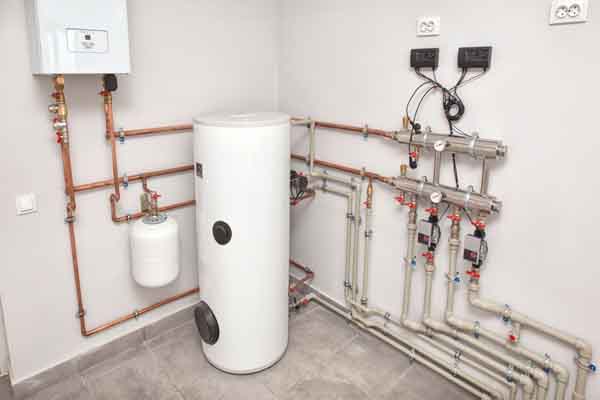
Unlike furnaces, oil-powered boilers use heated water to maintain comfortable indoor temperatures. The boiler warms water and sends it through a network of pipes connected to radiators, baseboard heaters, or other hydronic heating units. After transferring its warmth into living spaces, the cooler water flows back to the boiler for reheating.
Certain older properties rely on steam heating systems instead. These boilers convert water into steam, which moves through piping to radiators throughout the house. As the steam releases thermal energy, it condenses into liquid water and returns to the boiler, allowing the heating process to continue.
Maintaining Your Oil Heating System in Southern New Jersey
Consistent maintenance is essential for keeping oil-fired heating equipment safe, dependable, and energy-efficient. Homeowners can do simple upkeep tasks, such as keeping the thermostat dust-free, cleaning or replacing applicable air filters, and monitoring their systems for unfamiliar sounds, odors, or changes in heating performance.
Schedule yearly professional HVAC maintenance, ideally before colder weather arrives. During an annual tune-up, a qualified technician examines and cleans essential components, evaluates burner operation and combustion efficiency, and addresses potential issues before they worsen. Preventive servicing helps maintain heating efficiency, promote even indoor comfort, and minimize unexpected equipment failures.
Environmental Impact of Oil Heating Systems in New Jersey
Today’s oil-fired heating systems offer improved efficiency and cleaner operation compared to older models. Innovations in burner design, heating technology, and fuel formulations have reduced oil consumption, smoke production, and particulate emissions.
Maintaining heating oil storage tanks and equipment properly helps prevent fuel leaks and incomplete combustion. Scheduling routine professional inspections and tune-ups can also optimize heating performance while limiting avoidable emissions.
Although heating oil is still a fossil fuel, modern high-efficiency equipment and cleaner-burning fuel blends can help lessen its environmental footprint compared with traditional oil heating systems.
Clearing Up Common Misconceptions About Oil Heating
Outdated beliefs about oil-fired heating continue to circulate, even as heating equipment and fuel quality improve. The following explanations address several widespread misconceptions.
- Oil Heating Causes Excessive Pollution: Today’s oil-fired heating equipment operates with greater combustion efficiency and produces fewer pollutants than previous generations. Advanced burner designs and improved heating oil blends contribute to lower emissions and reduced fuel usage.
- Heating With Oil Is Always Costly: Actual heating expenses depend on oil prices, equipment efficiency, local weather, and property conditions. Upgrading to efficient heating equipment and scheduling routine maintenance can help homeowners avoid excessive fuel usage.
- Oil Heating Equipment Has a Short Lifespan: Properly installed and serviced oil furnaces and boilers can remain operational for decades. Their longevity depends on equipment construction, operating demands, and consistent preventive maintenance.
- Heating Oil Presents Significant Safety Risks: Heating oil is relatively difficult to ignite at normal temperatures. Approved storage methods, qualified installation, and regular professional inspections help maintain safe and reliable heating performance.
How Does an Oil Heating System Work: Frequently Asked Questions

Where Do Homes Typically Keep Their Heating Oil?
Residential heating oil is generally kept in a designated storage tank installed inside the home, outside the building, or below ground, depending on property conditions and applicable regulations. This tank delivers fuel to the heating system whenever necessary.
How Can I Tell When My Oil Tank Requires Refilling?
Most residential oil tanks feature a fuel gauge that indicates the estimated remaining supply. Checking this gauge regularly allows homeowners to arrange deliveries before fuel levels get critically low. Automatic delivery services can also track estimated consumption and schedule timely refills.
Can Oil-Fired Heating Equipment Operate Without Electricity?
Most modern oil heating systems depend on electrical power to run essential components, including burners, circulation pumps, blowers, and control systems. Consequently, heating typically stops during an electrical outage unless the equipment is connected to a correctly installed and compatible backup power supply.
What Should I Expect If My Fuel Oil Supply Runs Empty?
When an oil tank becomes empty, the heating equipment can no longer generate warmth. Even after refueling, certain systems may need professional attention before restarting, especially when air enters the fuel lines and requires proper removal.
Can Oil-Fired Heating Equipment Supply Household Hot Water?
Yes. Certain oil-powered boilers can heat water for everyday household needs while providing indoor warmth. Depending on the system’s configuration, an integrated tankless coil or a separate indirect water heater transfers heat to the domestic water supply for regular use.
Conclusion
Knowing how oil heating systems operate helps homeowners make better decisions about equipment care and performance. These systems generate heat by burning heating oil and circulating warm air, heated water, or steam throughout the home, depending on their design. With proper maintenance, modern oil-fired heating equipment can deliver dependable, energy-efficient comfort for years.
For professional oil heating system maintenance, repairs, or replacement, turn to McAllister Energy. Our skilled HVAC technicians provide thorough inspections, diagnose heating problems, and recommend effective solutions to maintain reliable indoor comfort throughout Southern New Jersey’s colder months. Contact us today to schedule your HVAC service!
Reach Out to McAllister Energy for Reliable Heating Oil Delivery in Southern New Jersey
McAllister Energy provides dependable heating oil delivery to homes and businesses throughout Southern New Jersey. We deliver high-quality fuel with prompt, efficient service, competitive pricing, and transparent communication to help customers stay warm and comfortable all winter.
Our flexible delivery plans and financing options allow customers to manage their heating oil supply according to their needs and budgets. We provide personalized service to ensure reliable fuel deliveries throughout the heating season.
Beyond fuel delivery, McAllister Energy offers comprehensive HVAC services, including heating and cooling installations, routine maintenance, and emergency repairs. Our experienced technicians provide professional solutions to keep your home comfortable year-round.
Contact McAllister Energy today to schedule your heating oil delivery or HVAC service!
You can click here to contact us now or call us at (856) 665-4545 to find out more! Click the link to view our service area.

Related Articles: