
HVAC

A furnace pilot light that goes out after heating can interrupt your home’s comfort. Several furnace components and operating conditions can affect whether the pilot remains lit between heating cycles. Understanding the possible causes, warning signs, and appropriate next steps can help homeowners recognize when a problem needs professional attention.

As summer ends, your air conditioner may still need attention before cooler weather arrives. From reviewing energy use and noting performance issues to checking filters, coils, drainage, and thermostat settings, a few seasonal steps can help protect your cooling system during the off-season. Learn what homeowners should check now and which tasks require professional attention.

Choosing between a smart thermostat vs programmable thermostat depends on more than upfront cost. Both can automate temperature settings, but they differ in connectivity, scheduling, convenience, and energy management. Understanding how each option works can help homeowners determine which thermostat features make the most sense for their heating and cooling needs.

An attic can become one of the hottest areas of a home, making the right cooling approach especially important. Several factors can influence comfort and efficiency, including cooling capacity and installation requirements. The attic’s insulation, air sealing, and ventilation also play an important role in determining how well any cooling system performs.

A humid home can feel uncomfortable even when the air conditioner is running. Excess moisture may be connected to everyday activities or HVAC performance. Learning how humidity behaves and recognizing the warning signs can help homeowners understand why rooms feel damp, sticky, or musty and determine what may be contributing to the problem.

Many air conditioning problems begin with subtle warning signs that are easy to miss until comfort is affected. From weak airflow to rising energy bills, understanding what these symptoms may indicate can help homeowners respond appropriately. Explore the most common issues, what causes them, and practical ways to keep your cooling system performing reliably.

Finding the right thermostat setting during summer is about more than staying cool. The temperature you choose can affect your comfort and even your air conditioner’s performance. Learn what influences the ideal setting, common mistakes to avoid, and practical ways to keep your home comfortable while making the most of your cooling system.

Choosing the right air conditioning can be challenging, especially if your home was built without ductwork. While window units have long been a common solution, newer cooling options offer important advantages worth considering. This article explores the limitations of traditional systems and examines why many homeowners are rethinking how they keep older homes comfortable.

Summer heat can put extra strain on your cooling system, making preparation more important than ever. A few practical steps can help your air conditioner perform more effectively throughout the season. Discover essential air conditioner tips for summer that can improve comfort, support reliable operation, and help your system handle rising temperatures with confidence.
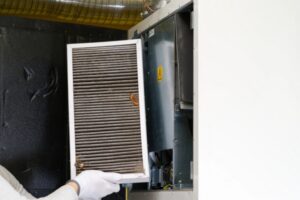
Your HVAC air filter does more than trap dust; it directly affects indoor air quality, system efficiency, and energy costs. Understanding when to replace your filter isn’t always straightforward, as factors can change the timeline. Discover the signs, schedules, and considerations that help keep your heating and cooling system running smoothly.