How Generators Save Money During Unexpected Power Outages

A power outage can occur unexpectedly. Lights shut off, appliances stop working, and normal household activities come to a standstill. Many homeowners do not recognize how rapidly outage-related costs can add up when refrigerated food goes bad, home systems stop operating, and critical equipment remains without electricity.
This article examines the often-overlooked costs of power outages and how these expenses increase as an outage continues. It also explains how generators save money by protecting against damage, preserving household comfort, and minimizing costly disruptions to your home and everyday routine.
The Real Cost of Power Outages in Southern New Jersey
Power outages create problems that extend well beyond losing lights and everyday convenience. The longer an outage lasts, the more household expenses can accumulate from property damage, interrupted routines, spoiled food, and unexpected costs homeowners may not anticipate.
Understanding these less obvious expenses highlights the importance of preparing for unexpected electrical disruptions. It also provides a clearer picture of how reliable backup power can limit financial losses, protect the home, and deliver lasting savings.
Unexpected Expenses Homeowners Experience During Power Outages

A power outage can trigger several household costs that go well beyond the immediate interruption of electricity. When critical equipment loses power, homeowners may face several unexpected financial consequences at once.
- Spoiled Food and Refrigeration Costs: During prolonged outages, refrigerators and freezers cannot maintain safe temperatures, putting stored food at risk. Perishable items can spoil rapidly, requiring costly grocery replacements that become more significant with frequent or extended power disruptions.
- Temporary Heating and Cooling Expenses: When heating and cooling equipment cannot run, homeowners may rely on portable heaters, fans, or alternative accommodations to remain comfortable. These temporary measures can result in additional energy use, fuel expenses, and unforeseen household costs.
- Property Damage and Costly Repairs: Outages can disable sump pumps, well pumps, and dehumidifiers that help prevent water and moisture problems. Basement flooding, frozen plumbing, and uncontrolled humidity can cause extensive damage requiring expensive repairs and professional restoration work.
- Reduced Productivity and Lost Income: Power loss can prevent remote employees and home-based businesses from completing normal work responsibilities. Lost working hours, interrupted projects, and missed deadlines may reduce income and create indirect financial losses that grow considerably during recurring outages.
How Recurring Outages Drive Up Long-Term Costs
Frequent power outages can create mounting household expenses by placing additional stress on electrical systems and connected equipment. Each power loss and restoration can expose circuit boards, HVAC components, refrigerators, and other valuable appliances to voltage fluctuations that may cause premature damage.
Even relatively small electrical surges can gradually reduce equipment lifespan, increase repair frequency, and compromise operating efficiency. Over time, these effects can lead to premature replacement costs that homeowners may not realize are tied to recurring power interruptions.
As power-related incidents become more frequent, homeowners may need to submit insurance claims for property damage, water problems, or equipment failures. A growing claims history may eventually contribute to higher premiums, larger deductibles, or restrictions on coverage for future losses.
In areas where outages occur regularly, lacking backup power may also influence how prospective buyers evaluate a home. Buyers may see the property as less resilient or more vulnerable to disruptions, which can affect negotiations, weaken interest, and ultimately reduce the home’s long-term market value.
How a Generator Helps Protect Your Southern New Jersey Home Investment
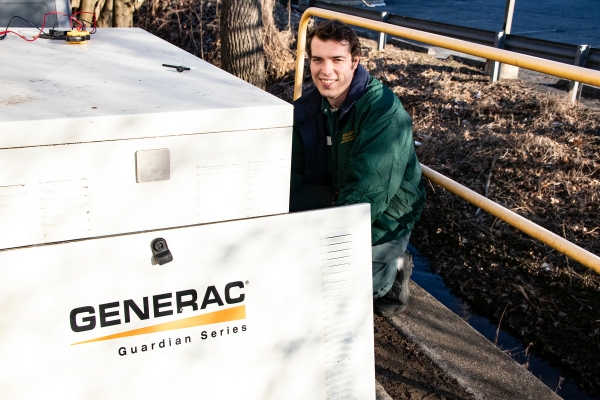
A standby generator offers more than short-term convenience when utility power fails. It helps protect your home’s value by limiting the financial consequences of equipment shutdowns, property damage, and recurring emergency costs associated with extended or frequent power outages.
Reliable Backup Power for Critical Home Systems
A standby generator starts automatically shortly after utility power is interrupted, keeping vital household systems operating without significant disruption. HVAC equipment, refrigerators, freezers, sump pumps, well pumps, medical equipment, and security systems can continue functioning properly. Maintaining power to these essential systems helps prevent secondary problems that can develop when critical equipment remains offline for prolonged periods.
Reducing Unexpected Repair Expenses
Reliable backup power helps safeguard plumbing and structural materials when severe weather threatens the home. Frozen pipes, basement flooding, mold development, and moisture damage can occur when essential equipment shuts down at critical times. A generator keeps these protective systems operating, substantially lowering the risk of costly emergency repairs and professional restoration work.
Lower Dependence on Temporary Backup Options
When backup power is unavailable, homeowners may rely on portable generators, space heaters, extra fuel, or temporary lodging to maintain basic comfort and safety. These temporary alternatives can generate repeated expenses and potential safety concerns. A standby generator reduces reliance on these measures by supplying dependable, automatic power throughout the home.
Protection From Voltage Fluctuations
When utility power returns after an outage, voltage fluctuations can potentially harm sensitive electronics and household equipment. Modern standby generator systems help manage electrical transitions as the home switches between backup and utility power. This controlled operation can help protect HVAC equipment, kitchen appliances, and electronics from electrical stress, potentially lowering future repair and replacement expenses.
When Investing in a Backup Generator Makes Financial Sense
A standby generator can deliver greater financial value when outages create substantial risks or recurring household costs. Specific property features and local conditions can make reliable backup power a worthwhile investment, not just an added convenience.
- Locations Prone to Storms or Grid Problems: Areas experiencing severe weather, heavy seasonal electricity demand, or aging utility infrastructure may face more frequent and extended outages. A generator can reduce recurring expenses from spoiled food, property repairs, and temporary accommodations.
- Properties With Basements or Sump Pumps: Homes with basements, crawl spaces, or sump pump systems may face increased flooding risks when electricity fails. Keeping pumps operating through heavy rainfall or snowmelt can prevent water intrusion, mold development, and expensive restoration services.
- Homes Dependent on Remote Work or Medical Devices: Households requiring steady electricity for remote jobs, home businesses, or medical equipment gain additional protection from backup power. Continuous electricity supports productivity, income stability, and essential health needs while limiting outage-related financial losses.
FAQs: How Generators Save Money

What Expenses Come With Operating a Standby Generator?
Typical ongoing expenses include fuel consumption, scheduled maintenance, and routine system inspections. Fuel costs depend on generator capacity, power demand, and the fuel source used, including natural gas or propane. Regular maintenance expenses are generally predictable and can cost far less than recurring losses from extended power outages.
How Does Generator Sizing Affect Long-Term Cost Savings?
Proper generator sizing provides enough power for essential household loads without excessive fuel use or unnecessary equipment strain. An undersized unit may struggle to meet peak electrical demand, while an oversized generator can raise initial and operating expenses. Professional load calculations help determine the appropriate capacity for efficient performance and stronger long-term savings.
How Long Do Residential Standby Generators Typically Last?
With proper maintenance, most residential standby generators provide about 15 to 30 years of service. Actual lifespan varies based on operating frequency, weather exposure, installation conditions, and compliance with manufacturer-recommended maintenance schedules. Extending generator service life through consistent professional care can improve its overall long-term value and cost-effectiveness.
What Permits and Inspections Are Needed for Generator Installation?
Standby generator installations may require electrical, fuel-related, and zoning permits, followed by applicable inspections. These requirements help ensure the installation complies with local codes and that all components are safely integrated with the home. Securing the proper approvals can prevent fines, project delays, and costly modifications later.
Does Generator Fuel Choice Affect Performance During Long Outages?
The type of fuel a generator uses can influence its dependability during extended outages. Natural gas generators generally rely on a continuous utility supply, while propane units operate using fuel stored on-site. Careful fuel planning and adequate storage help ensure reliable generator operation throughout prolonged or widespread power disruptions.
Conclusion
Power outages can create substantial expenses beyond the immediate disruption, including spoiled food, property damage, lost productivity, and unexpected repair costs that increase as downtime continues. A standby generator can reduce these financial risks by keeping critical systems running while helping protect comfort, safety, and long-term property value.
To better protect your home from costly power disruptions, contact McAllister Energy today. Our dependable generator solutions help Southern New Jersey homeowners maintain reliable backup power, reduce outage-related expenses, and protect their homes for years to come.
Contact McAllister Energy for Dependable Whole-House Generator Installation
McAllister Energy provides professional whole-house generator installation throughout Southern New Jersey, helping homeowners maintain reliable backup power during unexpected outages. Our experienced, certified technicians follow established installation standards to ensure your generator operates safely, efficiently, and reliably when utility power fails.
Whether you are preparing for severe storms, upgrading an older backup system, or installing your first standby generator, our team provides knowledgeable guidance and recommendations tailored to your home’s electrical needs. We prioritize straightforward pricing, clear communication, and quality workmanship to support dependable performance for years to come.
Choosing McAllister Energy means relying on experienced professionals dedicated to protecting your home, comfort, and safety. Contact us today to schedule a consultation and prepare your Southern New Jersey home with dependable whole-house backup power. Call now!
You can click here to contact us now or call us at (856) 665-4545 to find out more! Click the link to view our service area.

Related Articles: