A Homeowner’s Guide To Buying A New Furnace
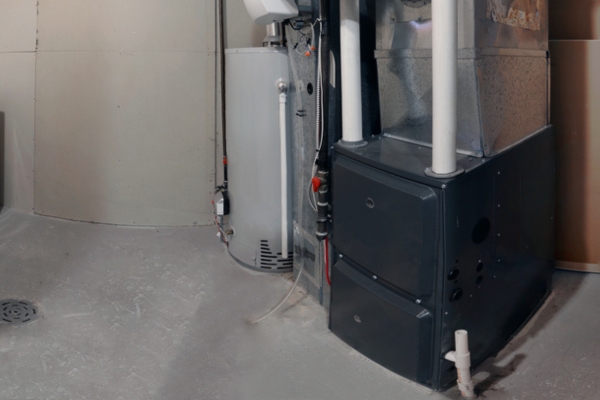
Before buying a new furnace, homeowners should consider several important factors, including heating capacity, energy efficiency, fuel type, installation costs, and long-term maintenance requirements. The right system can improve indoor comfort, lower energy bills, and provide reliable heating all winter.
Understanding these factors helps homeowners avoid costly mistakes and choose a furnace that fits their heating needs and budget. This article outlines what to consider before buying a new furnace to ensure efficient performance, long-term reliability, and lasting home comfort.
Key Considerations When Choosing a Furnace for Your Home
Selecting the right furnace requires evaluating several factors that affect heating performance, energy costs, and equipment lifespan. Understanding these considerations will help you choose a system that meets your home’s heating needs and budget.
Types of Furnaces for Your HVAC System Upgrade
Choosing the right furnace involves understanding the available options and how they suit your home’s heating needs and local climate.
- Gas Furnaces: Known for efficiency and reliability, gas furnaces are popular in colder climates. They provide powerful heating and can offer lower operating costs than electric models, depending on local energy prices.
- Electric Furnaces: With lower installation costs and simpler maintenance, electric furnaces are suitable for homes in milder climates. They offer long-lasting performance without requiring on-site fuel storage or combustion.
- Oil Furnaces: Common in areas without natural gas access, oil furnaces deliver strong heating performance during harsh winters. They are practical where heating oil is readily available and competitively priced.
Assess Your Home’s Heating Requirements Before Furnace Installation
Before installing a new furnace, evaluate your home’s heating requirements to ensure efficient performance, consistent comfort, and long-term reliability. Key factors include:
- Home Size and Layout: Consider your home’s square footage, ceiling height, insulation, and room arrangement to determine the appropriate heating capacity.
- Heating Capacity: An undersized furnace may struggle to maintain warmth, while an oversized unit can cycle frequently, reducing efficiency and lifespan.
- Local Climate: Colder regions generally require greater heating capacity, while homes in milder climates may have lower heating demands.
- Fuel Availability and Costs: Compare natural gas, electricity, and heating oil based on local availability, energy prices, and heating requirements.
Residential Furnace Efficiency and Heating Costs
Understanding furnace efficiency helps homeowners manage heating expenses while reducing environmental impact.
AFUE Ratings & High-Efficiency Furnaces
Annual Fuel Utilization Efficiency (AFUE) measures how efficiently a furnace converts fuel into heat over a heating season. Higher ratings indicate better efficiency and lower fuel consumption. For example, upgrading from 60% to 90% AFUE can reduce fuel usage by approximately one-third for the same heating output.
Furnace Costs
High-efficiency furnaces usually cost more upfront but can deliver long-term savings through lower energy bills. These savings may offset the initial investment over time, particularly for homeowners planning to stay in their homes for several years.
Potential Rebates and Tax Credits
Available rebates and tax credits can help reduce the cost of installing an energy-efficient furnace. Homeowners should check local utility programs, government incentives, and HVAC professionals for current eligibility requirements and potential savings.
Best Residential Furnaces in NJ: Modern Features and Technology
Advanced furnace technology can improve heating efficiency, reduce energy costs, and enhance indoor comfort.
- Programmable Thermostats: These devices provide precise temperature control and automated scheduling. Smart home integration allows adjustments based on daily routines, improving comfort while reducing unnecessary energy consumption.
- Variable-Speed Blowers: These blowers adjust airflow according to heating demands, distributing warmth evenly and reducing temperature fluctuations. Lower operating speeds help maintain consistent comfort while improving energy efficiency.
- Zoned Heating Systems: Zoning provides independent temperature control for different areas of your home. Heating occupied spaces as needed reduces energy waste, improves comfort, and helps lower heating expenses.
Important Factors for Professional Furnace Installation

Choosing a qualified furnace installation contractor is essential for safe, efficient heating performance. Look for certified professionals with proven experience who can recommend properly sized equipment and ensure installation meets local codes and safety standards.
Before installation, McAllister Energy’s technicians will assess your home’s existing heating system, energy requirements, and overall heating needs to recommend the appropriate furnace type and size.
They will also evaluate your ductwork and ventilation to verify compatibility and compliance with applicable building codes. This assessment helps ensure reliable operation, consistent indoor comfort, and long-term energy savings for your home.
Furnace Maintenance and HVAC Service Plans
Regular furnace maintenance helps preserve energy efficiency, extend equipment lifespan, and prevent unexpected breakdowns by addressing minor issues before they become costly repairs.
HVAC service plans provide scheduled inspections, system adjustments, and timely repairs to maintain reliable performance. Plans that include priority emergency service add peace of mind and help keep your home warm and comfortable throughout winter.
Environmental Benefits of High-Efficiency Furnaces
Choosing an energy-efficient furnace lowers heating costs and reduces environmental impact. Modern systems feature improved fuel efficiency, lower-emission technology, and, in some cases, compatibility with renewable energy sources, reducing fuel waste and environmental impact.
High-efficiency furnaces with higher Annual Fuel Utilization Efficiency (AFUE) ratings convert more fuel into usable heat, reducing energy consumption and associated emissions. Selecting an efficient model helps homeowners maintain reliable comfort while supporting a cleaner, more sustainable environment.
Furnace Financing and Budget Planning
Purchasing a new furnace requires financial planning, but available financing options can help make the investment more affordable. Flexible payment arrangements let homeowners spread installation costs over time while staying within budget.
Setting aside funds in advance and exploring available rebates or tax incentives can further reduce upfront expenses. Careful budgeting and suitable financing options make upgrading to a high-quality, energy-efficient furnace more manageable without unnecessary financial strain.
Buying a New Furnace: Frequently Asked Questions

How Many Years Can a Newly Installed Furnace Last?
Most new furnaces have an expected lifespan of 15 to 20 years, although consistent maintenance and proper operation may extend their service life. Equipment quality, operating conditions, and routine professional servicing influence durability. Promptly addressing worn parts and scheduling regular maintenance can preserve efficiency and reduce the risk of early equipment failure.
When Should I Consider Replacing My Existing Furnace?
Signs that your furnace may need replacing include strange sounds, recurring repairs, inconsistent temperatures, and increasing heating costs. If your heating system is more than 15 years old and shows these symptoms, installing a new furnace may offer better long-term value than ongoing repairs and inefficient operation.
Is Professional Installation Necessary for a New Furnace?
Installing a furnace involves technical expertise and should be performed by a licensed HVAC professional. Correct installation ensures compliance with local regulations and safety requirements. Technicians also evaluate ventilation, ductwork, fuel connections, and electrical components to ensure the heating system operates safely and efficiently.
Can Replacing an Old Furnace Improve Indoor Air Quality?
Upgrading your furnace can support healthier indoor air when combined with quality filtration systems that remove dust, pollen, and airborne irritants. Proper humidity management can help regulate indoor moisture and limit conditions that promote mold growth. These benefits can be especially valuable for households with allergies, asthma, or other respiratory concerns.
What Should I Look for in a New Furnace Warranty?
Before purchasing a furnace, review the manufacturer’s warranty for coverage on major components, including the heat exchanger and other essential parts. Warranty terms vary by brand and model, so check coverage periods, exclusions, registration requirements, and whether labor costs are included. Understanding these details can help you avoid unexpected repair expenses and protect your investment.
Conclusion
Choosing the right furnace is important for maintaining reliable, energy-efficient home heating. Key considerations include furnace type, proper sizing, efficiency ratings, modern features, and professional installation. Regular maintenance and HVAC service plans can further improve performance and extend equipment lifespan.
For expert recommendations suited to your home’s heating needs, contact McAllister Energy. Our experienced team helps Southern New Jersey homeowners select efficient, reliable heating systems that provide lasting comfort and long-term value.
Contact McAllister Energy for Professional HVAC Services in Southern New Jersey
McAllister Energy provides comprehensive heating and cooling services throughout Southern New Jersey. Our certified HVAC technicians specialize in furnace installations, system replacements, repairs, and routine maintenance. With extensive training and years of on-hand experience, our team ensures your HVAC equipment operates safely, efficiently, and reliably.
We offer competitive pricing and personalized heating and cooling solutions tailored to your home’s needs and budget. Whether you need a new energy-efficient furnace, professional repairs, or preventive maintenance, our technicians can recommend suitable options to improve comfort, reduce energy consumption, and support long-term system performance.
At McAllister Energy, we prioritize quality workmanship and customer satisfaction and stand behind our services. Reach out to us today to schedule an HVAC appointment or request a free in-home consultation. Call now!
You can click here to contact us now or call us at (856) 665-4545 to find out more! Click the link to view our service area.

Related Articles: