HVAC Air Filter Replacement Tips For Cleaner Indoor Air

Properly maintaining an HVAC system plays a vital role in keeping it operating efficiently while enhancing indoor air quality throughout your home. A central element of this system is the air filter, which captures dust, allergens, and airborne particles and directly influences your HVAC unit’s performance and overall lifespan.
At McAllister Energy, a trusted provider of HVAC services throughout Southern New Jersey, we focus on helping you maintain cleaner indoor air and reliable system operation by offering clear guidance on proper air filter management.
This article outlines how often HVAC air filter replacement should be done and explains the importance of consistent maintenance for peak system performance and improved indoor air quality.
Count on McAllister Energy for Reliable HVAC and Indoor Air Quality Services: Maintain a comfortable, healthy home with professional solutions tailored to your needs. Call today!
What Is the Ideal Schedule for Replacing Your HVAC Air Filter?

The recommended timeframe for replacing your HVAC air filter typically falls between 30 and 90 days. Homes with pets, allergy concerns, or increased dust levels often require more frequent changes to preserve indoor air quality and maintain system efficiency. Continue reading to understand how different conditions can affect this replacement schedule.
Rely on McAllister Energy for Advanced HVAC and Indoor Air Quality Services: Protect your home’s comfort and maintain cleaner air with dependable solutions. Call today for complete service!
HVAC Air Filters Explained
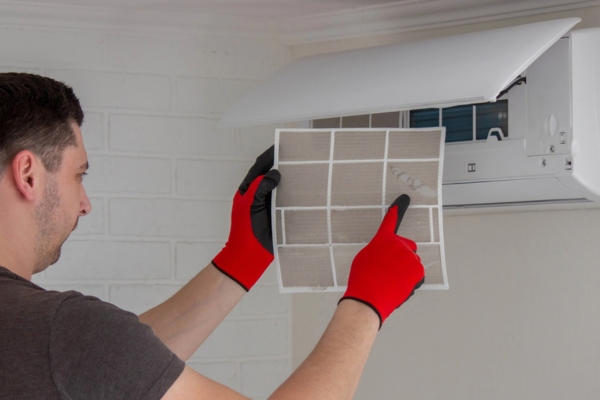
HVAC air filters are essential in system operation and indoor air quality by performing two primary functions. They capture contaminants such as dust, pollen, and pet dander to improve the air you breathe, while also preventing these particles from entering the system and restricting performance or causing expensive damage.
Several air filter options are available, each designed for different household needs:
- Fiberglass HVAC Filters: These cost-effective filters are built to capture larger debris, making them a practical choice for standard residential use.
- Pleated Air Filters: Constructed with higher-grade materials, these filters trap smaller particles more effectively, making them well-suited for homes with pets or occupants sensitive to allergens.
- HEPA Filters: This type of filter offers the highest level of filtration. They remove extremely fine particles and are ideal for households that require enhanced air quality due to respiratory concerns or significant allergy issues.
Selecting the appropriate air filter depends on your household’s health considerations and indoor conditions, which directly affect how often it should be replaced to maintain strong air quality and proper system performance.
It is also important to confirm that any filter you select is compatible with your specific HVAC system, since not every option will function effectively in all setups. Consulting with McAllister Energy helps ensure you select a filter that aligns with your equipment requirements and operating conditions.
Choose McAllister Energy for Trusted HVAC and Air Quality Solutions: Depend on expert care to keep your home comfortable and efficient. Call today!
Key Factors That Affect Air Filter Replacement Timing

Although replacing HVAC air filters every 30 to 90 days is a common standard, certain conditions may require more frequent changes:
- Home Size and Filter Dimensions: Larger homes or systems using smaller filters may need more frequent replacements due to increased airflow demands.
- Indoor Air Quality and Allergen Exposure: Homes located in areas with elevated pollen levels or poor outdoor air conditions often require more frequent filter changes to maintain cleaner indoor air.
- Pets in the Household: Pet hair and dander can accumulate quickly, clogging filters and restricting airflow, which increases the need for regular replacement.
- Allergies or Respiratory Concerns: Households with allergy sensitivities or breathing conditions benefit from more frequent filter changes to reduce airborne irritants.
- Indoor Smoking: Smoke introduces fine particles that can rapidly saturate a filter, requiring more consistent replacement intervals.
- Seasonal Use or Low Occupancy Homes: Properties that are not occupied year-round may not need frequent changes, though filters should be checked prior to extended use.
Modifying your replacement schedule based on these factors helps preserve system efficiency and maintain consistent indoor air quality.
Choose McAllister Energy for Reliable Comfort and Cleaner Air: Depend on proven HVAC and air quality solutions for a healthier home. Call today!
Indicators Your HVAC Air Filter Needs Replacement Sooner
Visible dirt buildup and clogging on your air filter are clear indicators that it needs to be replaced. When a filter becomes restricted, airflow is reduced, forcing your HVAC system to work harder. This added strain can increase energy costs and reduce heating or cooling performance. Increased dust accumulation throughout your home is another indicator, as it suggests the filter is no longer effectively capturing airborne particles.
Strange or musty odors coming from your vents can also signal that your air filter requires replacement. These smells often result from trapped dust, mold, and other contaminants that have built up over time.
When these warning signs appear, replacing your air filter promptly helps maintain system efficiency and supports healthier indoor air conditions.
Steps for Replacing Your HVAC Air Filter
Changing your HVAC air filter is a straightforward task that can significantly improve system efficiency and performance. Follow these steps to locate and replace your filter properly:
- Turn Off the System: Shut down your HVAC unit before starting to prevent dust and debris from circulating during the process.
- Find the Filter Location: Identify the filter housing, which is typically positioned along the return duct or inside a compartment on the furnace or air handler.
- Remove the Used Filter: Carefully slide out the existing filter. Check the frame for directional arrows that indicate proper airflow orientation.
- Install the New Filter: Insert the replacement filter into the slot, ensuring the arrows point toward the ductwork so air moves through it correctly.
- Reattach the Cover: Secure any access panels or covers to ensure the system operates properly once restarted.
When choosing a replacement filter, evaluate the Minimum Efficiency Reporting Value (MERV) rating, which measures how well the filter captures airborne particles. Ratings between 8 and 13 are generally appropriate for most homes, as they effectively trap dust, pollen, mold spores, and other common allergens. For households with pets, allergy concerns, or specific air quality requirements, consulting with McAllister Energy helps ensure the selected filter matches your system and indoor conditions.
Inspect your air filter on a monthly basis, particularly during peak heating and cooling seasons such as summer and winter. Replace it according to recommended intervals or sooner if it shows signs of buildup. Maintaining this routine supports longer system life and helps preserve consistent indoor air quality.
Select McAllister Energy for Quality HVAC and Air Quality Solutions: Achieve dependable comfort and cleaner indoor air with expert service. Call today!
Advantages of Routine Air Filter Replacement
Replacing your HVAC air filter regularly is key to maintaining high indoor air quality. A clean filter captures pollutants such as dust, pollen, and other allergens, helping improve the air you breathe and supporting better overall health. This is especially crucial for those with allergies or respiratory conditions, as it reduces airborne irritants that can trigger symptoms.
A clean filter also supports better system efficiency and longer equipment life. When airflow is unrestricted, your HVAC system operates with less strain, lowering energy use and helping reduce utility costs. Reduced strain also limits component wear, decreasing the likelihood of costly repairs and helping extend your system’s lifespan.
Keeping up with routine filter changes is a simple maintenance step that contributes to improved performance, lower operating costs, and more reliable system operation.
HVAC Air Filter Replacement: FAQs

Is It Possible to Wash and Reuse a Disposable HVAC Air Filter?
No, disposable HVAC air filters are intended for single use and should be replaced when their service life ends. Cleaning and reusing them can damage the filter material, reducing its ability to capture particles effectively and potentially causing decreased air quality and added strain on your HVAC system.
What Happens If I Don’t Change My HVAC Air Filter Regularly?
Neglecting routine air filter replacement can create multiple issues, including restricted airflow that forces your HVAC system to operate under increased strain. This added workload can raise energy consumption, drive up utility costs, and increase the likelihood of expensive repairs or early system failure. In addition, an overdue filter loses its ability to capture airborne contaminants effectively, leading to declining indoor air quality.
Will Higher MERV Rating Filters Improve My HVAC System’s Efficiency?
Higher MERV-rated filters trap more small particles, improving air quality in your home. However, they can also limit airflow more than lower-rated filters, so it is important to select an option that balances air quality needs with your system’s capacity. Consult an HVAC professional to determine the proper MERV rating for your system.
Choose McAllister Energy for Reliable HVAC Service and Cleaner Indoor Air: Improve your home environment with dependable, high-quality solutions. Call today!
How Do I Know the Right Air Filter Size for My HVAC System?
The correct air filter size is usually listed along the edge of your existing filter. If it is not clearly marked, you can measure the filter slot within your HVAC system to find the proper dimensions. Always ensure the filter fits securely to prevent unfiltered air from passing around it.
Can Replacing My Air Filter Help Reduce Allergy Symptoms?
Yes, installing a clean HVAC air filter with an appropriate MERV rating for capturing allergens can help lessen allergy symptoms. Filters designed to trap finer particles are particularly effective at removing irritants such as pollen, dust mites, and pet dander from the air, thereby improving indoor comfort and reducing allergy-related issues.
Conclusion
Keeping your HVAC air filter replaced on a consistent schedule is essential for preserving indoor air quality, improving system efficiency, and extending equipment lifespan. For optimal results, consult with McAllister Energy for guidance tailored to your home or business. Our professional services help ensure dependable performance and cleaner indoor air.
Call McAllister Energy today to learn how we can help you maintain a healthy, efficient HVAC system.
Affordable and Reliable HVAC Services: Trust McAllister Energy to manage your heating and cooling needs with expert care. Call today!
Contact McAllister Energy for Expert HVAC Services
At McAllister Energy, we deliver high-quality heating and cooling services across Southern New Jersey. Our team of certified HVAC technicians is equipped to handle system maintenance, repairs, installations, replacements, and more. Each technician applies extensive training and hands-on experience to service your system accurately and efficiently.
We offer competitive pricing for heating and cooling services throughout Southern New Jersey. Our maintenance services improve comfort, boost energy efficiency, and help lower overall utility costs. Whether you need a repair or a full system upgrade, McAllister Energy provides practical recommendations tailored to your home and budget. All work is supported by our commitment to customer satisfaction.
Get in touch with McAllister Energy today to schedule your service appointment and request an in-home consultation.
You can click here to contact us now or call us at (856) 665-4545 to find out more! Click the link to view our service area.

Related Articles: