How Boiler Temperature Affects Heating Efficiency And Home Comfort
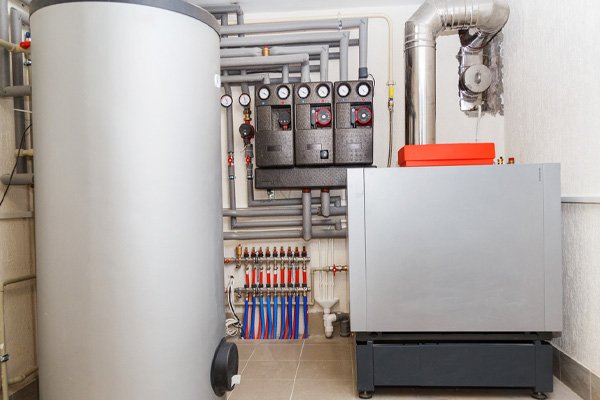
Setting the correct boiler temperature for your oil-fired central heating system is essential for maintaining indoor comfort and managing fuel costs. The ideal temperature depends on your equipment, weather conditions, household heating needs, and whether your boiler also supplies hot water.
Knowing how boiler temperature influences efficiency and heating performance helps homeowners avoid unnecessary energy waste. This article explains recommended temperature settings, key factors to consider, and practical strategies to improve overall heating efficiency.
Common Types of Central Heating Boiler Systems
Different boiler systems distribute heat and supply hot water in different ways. Identifying your home’s boiler type makes it easier to understand how its temperature settings work.
- Combination Boilers: Also called combi boilers, these units provide central heating and hot water without a separate storage cylinder. They heat water on demand, saving space.
- Conventional Boilers: Commonly known as regular or heat-only boilers, these systems generally rely on a separate hot water cylinder and cold water storage tank.
- System Boilers: These boilers operate with a dedicated hot water cylinder but typically eliminate the need for a conventional cold water storage tank. They work well for households with higher hot water requirements.
Understanding your boiler’s configuration helps you determine how temperature adjustments influence heating performance, energy consumption, and household comfort.
How to Determine the Ideal Central Heating Boiler Temperature

The best boiler temperature varies from home to home. Factors such as equipment type, heating system configuration, weather conditions, and household heating needs influence the appropriate setting.
Distinguish boiler water temperature from indoor temperature. Your boiler regulates the temperature of the water moving through the system, while your thermostat controls the temperature you want inside your home.
Traditional radiator heating systems commonly operate with water temperatures between 140 and 180 degrees Fahrenheit. However, certain systems can maintain adequate warmth at lower settings, while freezing outdoor temperatures may demand higher water temperatures.
Lowering the boiler’s water temperature during warmer periods can minimize heat loss and improve efficiency when the equipment supports it. Instead of selecting the highest temperature, follow the manufacturer’s guidelines to ensure proper operation and reliable heating performance.
Keeping Hot Water Storage Temperatures Safe
Water stored for household use requires different temperature settings than water circulating through a central heating system. Storage temperatures must discourage bacterial growth, while water reaching faucets should remain safe against accidental scalding.
Hot water storage cylinders are generally kept near 140 degrees Fahrenheit, equivalent to 60 degrees Celsius, to reduce the risk of Legionella bacteria. Properly installed mixing valves help lower water temperatures before they reach plumbing fixtures.
Before adjusting your cylinder’s temperature, review the equipment specifications and manufacturer’s instructions. If the correct setting is unclear, seek guidance from a qualified heating technician.
Key Factors Influencing Boiler Temperature Settings in New Jersey

Your home’s characteristics and heating equipment play an important role in determining the water temperature needed for consistent indoor comfort.
- Weather Conditions: Freezing outdoor temperatures increase household heat loss and may call for warmer boiler water. Moderate weather often permits lower temperature settings.
- Insulation Quality: Proper insulation minimizes heat loss and supports efficient heating, whereas insufficient insulation and drafts place additional demands on your boiler.
- Radiator Configuration: Radiator dimensions, quantity, and design affect how efficiently heated water transfers warmth into different rooms.
- Property Size and Floor Plan: Spacious homes, multi-story properties, and rooms with uneven heating may need additional heat output to maintain comfortable temperatures.
- Equipment Type and Performance: Different boiler models have specific operating temperature requirements. Always refer to manufacturer guidelines before changing settings.
- Daily Household Requirements: The number of occupants, frequently used rooms, and preferred indoor temperatures influence overall heating demand.
Increasing your boiler temperature does not necessarily improve heating performance. Selecting an appropriate setting helps maintain reliable warmth while preventing excessive heating oil consumption.
Practical Ways to Increase Boiler Efficiency in Southern New Jersey
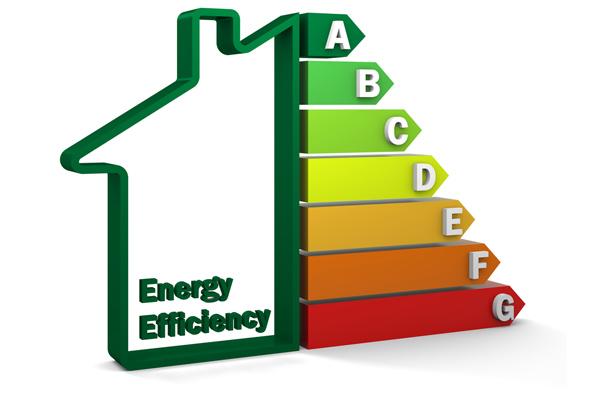
Adjusting boiler temperatures is just one way to improve heating efficiency. Proper system controls, everyday heating practices, and regular maintenance can also help minimize heating oil usage.
Install a Programmable or Smart Thermostat
Programmable thermostats let homeowners establish heating schedules that match their household routines. Lower indoor temperatures overnight or when nobody is home, then restore comfortable settings when needed.
Smart thermostats offer additional capabilities, including remote access, customized scheduling, occupancy sensors, and energy consumption tracking. These features help limit unnecessary heating cycles and improve overall system efficiency.
Manage Heating Temperatures in Individual Rooms
Zoning systems and thermostatic radiator valves let homeowners regulate heat distribution to each room’s needs. Keep regularly used living spaces comfortable, while less frequently occupied rooms can run at lower temperatures.
This strategy improves temperature management and helps prevent excessive energy consumption.
Modify Boiler Temperatures as Weather Changes
Boiler water temperatures may need occasional adjustments as winter conditions change. During warmer periods, lower settings may provide sufficient heat, whereas freezing temperatures might demand higher settings to maintain indoor comfort.
Gradual changes help you find an efficient operating temperature without sacrificing warmth. Always follow the manufacturer’s specified temperature limits when adjusting your boiler.
Reduce Thermostat Settings During Extended Absences
Lowering your thermostat while your house remains empty for several hours or longer can help conserve heating oil. Appropriate temperature reductions depend on weather conditions and the duration of your absence.
Never turn off your heating system entirely during freezing temperatures. Keeping sufficient indoor warmth helps prevent frozen plumbing and protects essential household systems.
Arrange Annual Boiler Servicing in NJ
Scheduling professional maintenance each year helps keep your oil heating boiler running efficiently and safely. During service, technicians examine the burner, combustion system, temperature controls, heat exchanger, and other critical components.
Preventive maintenance promotes proper fuel combustion, strengthens system dependability, and allows technicians to detect developing issues before they cause costly breakdowns or heating interruptions.
Frequently Asked Questions About Boiler Temperature
What Causes My Boiler’s Temperature to Rise and Fall?
Minor temperature variations are expected as your boiler adjusts to household heating needs. However, significant or unusual fluctuations could signal faulty sensors, thermostat issues, poor water circulation, or malfunctioning controls. Have a qualified technician investigate recurring temperature irregularities.
What Are the Signs That My Boiler Temperature Is Set Too Low?
An excessively low setting may cause prolonged heating cycles without reaching your desired indoor temperature. Radiators might also feel cooler than expected. Since other system malfunctions can produce similar symptoms, increasing the water temperature is not necessarily the correct solution.
Why Do Certain Rooms Stay Cold Despite a High Boiler Temperature?
Inconsistent room temperatures may be caused by air trapped in radiators, unbalanced heating circuits, inadequate circulation, faulty zoning controls, or significant heat loss. Increasing boiler temperatures often wastes additional fuel without resolving these underlying issues.
Does Boiler Capacity Influence the Recommended Temperature?
Boiler capacity determines how much heat the system can produce, but larger units do not automatically need higher operating temperatures. Improperly sized equipment may experience reduced efficiency and unreliable heating performance regardless of temperature settings.
When Is a Professional Boiler Temperature Inspection Necessary?
Contact a qualified heating technician if your home struggles to stay warm, your boiler cycles irregularly, room temperatures vary significantly, or you are uncertain about the proper operating settings. A professional can assess the system and recommend appropriate temperature adjustments, routine servicing, or necessary repairs.
Conclusion
Determining the ideal temperature for your central heating oil boiler requires considering your equipment’s design, local weather, home insulation, heating configuration, and daily comfort requirements. Following manufacturer-approved temperature settings helps maintain dependable warmth while minimizing unnecessary heating oil usage.
Improving boiler efficiency also involves using programmable or smart thermostats, managing individual room temperatures, adjusting settings as seasons change, and scheduling preventive maintenance. If you need guidance on proper boiler water or domestic hot water temperatures, contact a qualified heating technician for recommendations tailored to your equipment.
Contact McAllister Energy for Dependable HVAC Services in Southern New Jersey
McAllister Energy delivers reliable heating and cooling solutions to homeowners throughout Southern New Jersey. Our certified HVAC professionals specialize in preventive maintenance, equipment repairs, new installations, and system replacements to support efficient operation and consistent indoor comfort year-round.
From annual heating system tune-ups and boiler temperature concerns to complex HVAC repairs and equipment upgrades, our skilled technicians provide practical recommendations tailored to your household requirements and budget. We prioritize quality workmanship, dependable performance, and long-term energy efficiency to help maintain a comfortable home.
Call McAllister Energy today to arrange professional HVAC service or schedule an in-home consultation. Contact us now!
You can click here to contact us now or call us at (856) 665-4545 to find out more! Click the link to view our service area.

Related Articles: