Getting Your Air Conditioner Ready For Fall

After working through months of summer heat, your air conditioner needs proper attention as cooler weather arrives. Preparing your AC for the off-season involves checking its condition, removing debris from around the outdoor unit, and resolving any maintenance issues before winter. Proper seasonal care helps protect the system from cold-weather damage, maintain efficiency, and reduce the risk of problems when cooling season returns.
This article outlines essential end of summer AC tips, from evaluating energy use and recording performance concerns to avoiding maintenance mistakes that could affect your system during the off-season.
Essential End-of-Summer AC Care Tips for Homeowners in New Jersey
Following these end-of-summer AC tips helps protect your cooling system after a demanding season and prepares the equipment for months of reduced use. Proper seasonal care can uncover developing issues, preserve energy efficiency, prevent avoidable damage, and help ensure dependable cooling when warmer weather returns.
How to Prepare Your Air Conditioner for the Off-Season
A few practical end-of-summer steps can protect your cooling equipment and help uncover concerns before temperatures rise again.
- Check Your Energy Costs: Review recent utility bills against the same period from the previous year. An unexpected increase in cooling costs could signal reduced AC efficiency or an underlying problem that requires professional HVAC evaluation.
- Document AC Performance Problems: Write down any issues you noticed throughout the summer, including unusual sounds, poor airflow, inconsistent temperatures, or frequent cycling. Share these details with your HVAC technician at your next maintenance appointment.
- Avoid Fully Covering the Outdoor Unit: A complete cover can trap moisture and increase the risk of corrosion or component deterioration. Since outdoor AC units are built to tolerate typical winter weather, focus instead on removing leaves, branches, and debris from the surrounding area.
Common Air Conditioner Issues to Check After Summer
Months of continuous cooling can place considerable stress on your air conditioner, contributing to worn parts, efficiency losses, and performance concerns. As cooler weather approaches, check for common AC problems so a qualified technician can address them before the next cooling season.
- Frozen Evaporator Coils: Dirt and debris on the coils can disrupt heat transfer and airflow, potentially causing ice buildup and reduced cooling performance. Frost, weak airflow, or inadequate cooling may indicate a problem that requires professional HVAC inspection.
- Clogged HVAC Filters: Air filters accumulate dust, dirt, and airborne contaminants throughout summer. Heavy buildup restricts airflow, increases energy consumption, reduces system efficiency, and places unnecessary strain on AC components. Inspect filters routinely and replace them according to the manufacturer’s guidelines.
- Blocked Condensate Drains: Debris can obstruct the condensate drain and cause water to back up, potentially resulting in leaks around the equipment or inside your home. Water near the AC unit warrants professional inspection and drain clearing to reduce the risk of moisture damage and additional system issues.
End-of-Summer AC Maintenance Advice for Homeowners in NJ
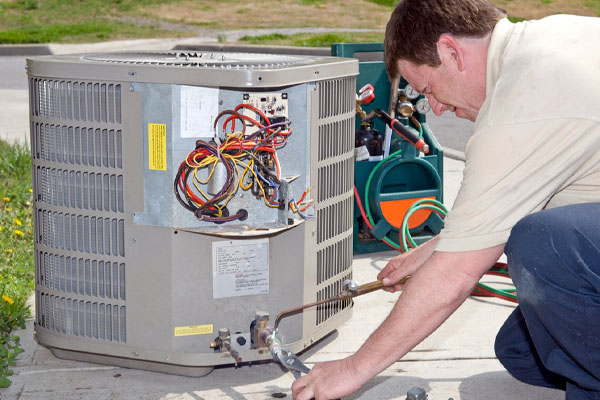
Include post-summer AC maintenance in your seasonal home care routine. Homeowners can complete basic upkeep, but an HVAC professional can uncover less obvious issues, perform needed repairs, and evaluate the entire cooling system. Professional service helps maintain efficiency, reduce unnecessary wear, extend equipment life, and prepare your air conditioner for dependable operation next summer.
1. Check Your Air Conditioner for Unusual Sounds
Run your air conditioner briefly and pay attention to how it sounds. A properly functioning system should operate with a consistent, relatively quiet hum. Banging, clicking, screeching, wheezing, or other unusual noises may signal loose parts, restricted airflow, or mechanical problems. Schedule an HVAC inspection if you notice abnormal sounds, as prompt repairs can limit additional damage and help preserve efficient performance.
2. Schedule a Professional AC Electrical Inspection
Your air conditioner’s electrical components require professional care to maintain safe, dependable operation. Shut off power before performing basic upkeep, and have a qualified HVAC technician handle all electrical inspections, diagnostics, and repairs.
A professional technician can:
- Test electrical connections for proper continuity and secure contact.
- Examine wiring for deterioration, corrosion, or damage and replace compromised parts.
- Identify failing capacitors, short circuits, and other electrical faults that may reduce performance or create safety concerns.
Routine professional electrical service can minimize safety hazards, reduce the likelihood of unexpected breakdowns, and help extend your air conditioner’s service life.
3. Keep the Air Conditioner Coils Clean
Clean AC coils support proper heat transfer and efficient system performance, even when there are no signs of freezing. Homeowners can remove loose debris around the outdoor unit, while an HVAC professional should handle detailed coil and fin cleaning to prevent accidental equipment damage.
Trim nearby shrubs, weeds, and vegetation to maintain sufficient clearance around the outdoor unit. Proper spacing improves airflow, limits debris buildup, and helps your air conditioner operate efficiently.
4. Inspect and Adjust the Thermostat
Test your thermostat to confirm it responds correctly, and replace the batteries when necessary. As outdoor temperatures cool, update programmed temperature schedules to match fall conditions. Appropriate seasonal settings help limit unnecessary HVAC operation, reduce energy use, and maintain efficient system performance.
5. Schedule Professional Air Conditioner Maintenance
Some AC maintenance tasks require the training and equipment of a qualified HVAC technician. Professional service includes system inspections, routine maintenance, and necessary repairs that help preserve efficient, dependable cooling. Your technician can also identify developing problems, explain warning signs to monitor, and recommend preventive measures that reduce the risk of future AC issues.
6. Evaluate Whether an AC Upgrade Makes Sense
The end of summer is a practical time to decide whether an older air conditioner is still worth maintaining. Most AC systems have an expected service life of about 10 to 15 years with proper care. If your equipment is nearing this age and requires increasingly frequent repairs, replacement may provide better long-term value.
Upgrading to a modern, energy-efficient air conditioner can improve cooling reliability, comfort, system features, and energy savings. An HVAC professional can assess your current equipment and recommend whether continued repairs or a replacement better suits your home’s cooling needs.
7. Prepare Your Heating System for Colder Weather
As fall temperatures arrive, transition your seasonal maintenance focus from cooling to heating. Schedule a professional furnace or boiler tune-up to uncover developing issues and ensure the system is ready for dependable winter operation.
Early maintenance can reduce the risk of unexpected heating failures when temperatures drop. For homes that rely on heating oil, check the tank level and schedule a fuel delivery when necessary to maintain a reliable supply throughout the winter.
End of Summer AC Tips: FAQs

Is Fall a Good Time to Schedule Air Conditioner Maintenance?
Yes. While annual AC maintenance is commonly scheduled before cooling season, a post-summer inspection can help identify wear or performance issues caused by months of operation. Addressing these concerns early helps maintain efficiency, prevent further damage, and prepare the system for next year.
Why Does My Cooling System Smell Musty After Summer?
A persistent musty odor may indicate excess moisture, microbial growth, or accumulated debris within the cooling system. Turn off the air conditioner and have an HVAC technician inspect the equipment and determine the source. Routine filter replacement and professional maintenance can help reduce conditions that contribute to unpleasant odors.
What Can Help Improve HVAC Efficiency?
Regular professional maintenance, clean air filters, proper insulation, sealed ductwork, and well-sealed windows can help your HVAC system operate more efficiently. Replace filters as recommended for your equipment and household conditions, and use a programmable or smart thermostat to manage temperature settings and reduce unnecessary system operation.
Should I Shut Off My Air Conditioner’s Circuit Breaker During Winter?
Turning off power to the outdoor AC unit may be appropriate for certain systems during extended inactivity, but recommendations depend on the equipment and local conditions. Check the manufacturer’s guidelines or consult an HVAC professional before switching off the circuit breaker, especially if any system components require continuous power year-round.
Is It Safe to Use My A/C Unit on a Warm Fall Day?
Yes. You can typically operate your air conditioner during an unusually warm fall day as long as outdoor temperatures remain within the manufacturer’s approved operating range. Avoid running the system when temperatures fall below recommended limits, since low-temperature operation can reduce performance and potentially damage AC components.
Conclusion
End-of-summer AC maintenance helps address seasonal wear, preserve efficiency, and prevent developing issues from becoming expensive repairs. Checking system performance, handling basic seasonal upkeep, and arranging professional service can protect your cooling equipment during the off-season and prepare it for reliable operation when warmer weather returns.
Contact McAllister Energy for professional HVAC maintenance throughout Southern New Jersey. Schedule your service today to keep your home comfort system efficient, dependable, and ready for every season.
Contact McAllister Energy for Professional HVAC Services
McAllister Energy provides reliable heating and cooling services throughout Southern New Jersey. Our certified HVAC technicians handle seasonal tune-ups, system diagnostics, repairs, installations, and equipment replacements with the technical expertise needed to keep your home comfortable year-round.
Our HVAC maintenance services help address seasonal wear, improve energy efficiency, and support dependable system performance. Whether your air conditioner needs post-summer maintenance, a timely repair, or replacement with a more efficient system, McAllister Energy can recommend practical options suited to your comfort requirements and budget. We remain dedicated to quality workmanship and customer satisfaction on every service call.
Contact McAllister Energy today to schedule professional HVAC service or request an in-home consultation.
You can click here to contact us now or call us at (856) 665-4545 to find out more! Click the link to view our service area.

Related Articles: