Furnace Pilot Light Goes Out After Heating: What It Means
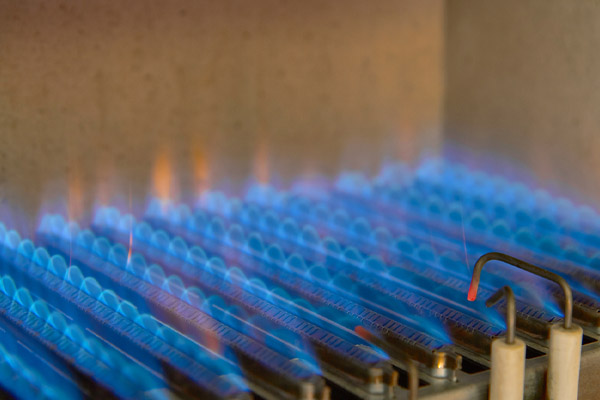
If your furnace pilot light goes out after heating cycle, it can point to a problem with the thermocouple, gas supply, pilot assembly, or another component responsible for maintaining a steady flame. When the pilot will not remain lit, the furnace may struggle to start the next heating cycle, leaving your home without reliable heat.
Repeatedly relighting the pilot may restore operation temporarily, but it does not address the underlying issue. This article covers the common reasons a furnace pilot light keeps going out after heating, the warning signs to watch out for, and when professional furnace service may be necessary.
Reasons My Furnace Pilot Light Goes Out After Heating
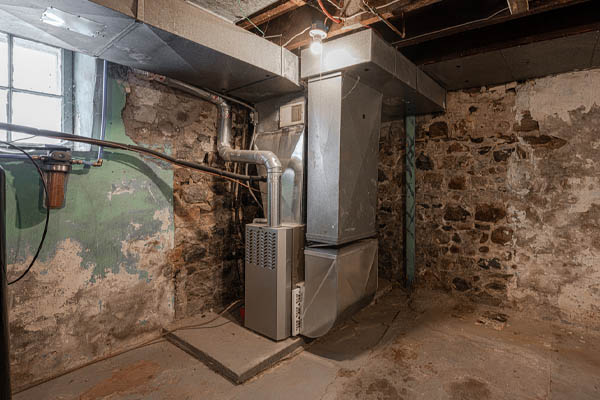
The pilot light ignites the burners in older gas furnaces. If it keeps going out after heating, the cause may involve the thermocouple, pilot assembly, gas supply, or airflow. An HVAC professional can identify the source and restore reliable operation.
Here are some of the most common reasons a furnace pilot light keeps going out after heating:
1. Faulty Furnace Thermocouple
The thermocouple is an important furnace safety device that detects whether the pilot flame is present. When it senses a stable flame, it allows the gas valve to remain open. If the pilot goes out, the thermocouple signals the valve to shut off the gas supply.
A dirty, damaged, bent, or improperly positioned thermocouple may fail to sense the flame correctly. As a result, it can shut off the gas even when the pilot initially lights, causing the flame to go out shortly afterward. Thermocouple problems are a common reason older furnaces struggle to maintain a pilot flame.
2. Dirty or Clogged Pilot Opening
A healthy pilot flame should generally burn steadily and appear predominantly blue. A weak, flickering, or unstable flame may indicate that the pilot opening is partially obstructed.
Dust, soot, and other debris can accumulate around the pilot assembly and restrict gas flow. The resulting flame may be too weak to heat the thermocouple sufficiently, causing the gas valve to close and the pilot to go out. Routine furnace maintenance can help keep the pilot assembly clean and operating correctly.
3. Combustion Air or Draft Problems
A gas furnace requires adequate combustion air and proper venting to maintain a stable flame. Problems with the furnace room, venting system, or nearby air movement can interfere with the pilot.
Strong drafts may disturb or extinguish the flame, while inadequate combustion air can affect burner operation. These conditions require professional evaluation since furnace ventilation and combustion problems can create safety concerns beyond an unreliable pilot light.
4. Gas Pressure or Regulator Problems
An inconsistent gas supply can prevent the pilot flame from remaining stable. Problems with gas pressure, the utility regulator, or other components in the fuel supply system may cause the pilot to weaken or shut off.
If multiple gas appliances are experiencing problems at the same time, the issue may extend beyond the furnace. Contact the gas utility or a qualified HVAC professional instead of inspecting or adjusting gas components yourself.
5. Temporary Natural Gas Supply Issues
Occasionally, the furnace itself may not be responsible for the problem. A disruption or pressure issue within the local natural gas supply can affect the amount of fuel reaching the pilot and burners.
If other gas appliances are also behaving unusually, check for notices from your utility provider. The gas company can determine whether a service interruption or supply problem is affecting your property.
6. Age and Condition of the Heating System
Standing pilot lights are primarily associated with older gas furnaces, while many newer systems use electronic ignition. A furnace that still relies on a continuously burning pilot may have aging components that are more susceptible to wear, corrosion, contamination, and performance problems.
Therefore, repeated pilot outages can be one symptom of broader furnace deterioration. An HVAC professional can assess the ignition system and other components to determine whether repair remains practical or furnace replacement should be considered.
7. Cracked or Damaged Heat Exchanger
The heat exchanger transfers heat from the combustion process to the air circulating through the home. Damage to this component can interfere with proper furnace operation and may affect combustion or burner behavior.
More importantly, a cracked heat exchanger is a serious safety concern because it can allow combustion gases, including carbon monoxide, to enter the home’s air supply. If you suspect heat exchanger damage, stop using the furnace and have a qualified HVAC professional inspect the system. A damaged heat exchanger should never be treated as a routine pilot-light problem.
What to Do When Your Furnace Pilot Light Won’t Stay On
If your furnace pilot light repeatedly goes out, avoid treating relighting as a permanent solution. Persistent outages indicate an underlying problem that a professional should diagnose, especially when gas or combustion components are involved. Get in touch with an HVAC technician to inspect and repair the furnace safely.
The Importance of Furnace Maintenance in Southern New Jersey
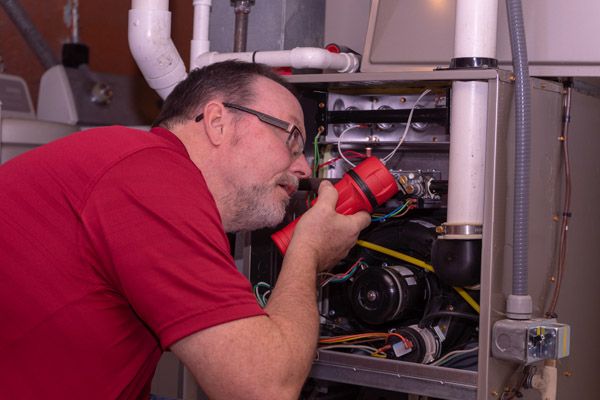
Routine professional maintenance helps keep your furnace dependable throughout the heating season. Key benefits include:
- Fewer Unexpected Breakdowns: Technicians can identify worn or deteriorating components before they cause furnace failure.
- Consistent Heating Performance: Cleaning, inspection, and proper adjustments help the furnace deliver steady heat throughout the home.
- Better Energy Efficiency: A well-maintained system can operate with less unnecessary energy consumption, helping control heating costs.
- Longer Equipment Life: Correcting minor problems and reducing strain on components can help protect the furnace from premature wear.
- Improved Furnace Safety: Professional maintenance includes checking critical safety, combustion, and venting components for conditions that could create hazards.
FAQs: Furnace Pilot Light Goes Out After Heating

Can a Furnace Pilot Light Go Out Occasionally Without a Major Problem?
Yes. A temporary draft or brief disruption in the gas supply can sometimes extinguish a pilot light. However, a pilot that repeatedly goes out usually indicates a problem that requires professional inspection.
What Color Should a Healthy Furnace Pilot Light Be?
A properly operating pilot light should generally have a steady blue flame. Yellow, orange, weak, or unusually flickering flames may indicate incomplete combustion or another issue an HVAC professional should evaluate.
Is It Safe to Leave a Furnace Running If the Pilot Light Keeps Going Out?
No. Repeated pilot outages can indicate problems involving combustion, gas delivery, or furnace safety components. Avoid repeatedly relighting the furnace, and have a qualified HVAC technician determine why the flame won’t stay lit.
Does a Pilot Light Stay On When the Furnace Is Not Heating?
On older furnaces with a standing pilot system, the pilot normally remains lit between heating cycles. It provides the ignition source needed when the thermostat calls for heat. If it goes out after every cycle, have a technician inspect the furnace.
Should I Repair or Replace a Furnace With Recurring Pilot Light Problems?
It depends on the furnace’s age, overall condition, repair history, and the cost of the required work. A relatively minor ignition problem may justify repair, while recurring issues in an aging furnace can make replacement with a modern system more practical.
Conclusion
A furnace pilot light that repeatedly goes out can disrupt heating and may signal a problem that requires professional attention. Address issues involving the thermocouple, pilot assembly, gas supply, airflow, or aging components promptly to restore reliable operation. Regular furnace maintenance can also help prevent unexpected problems while supporting efficiency, safety, and equipment longevity.
If your pilot light won’t stay lit, contact McAllister Energy today. Our experienced HVAC technicians can diagnose the problem and provide the proper repair to keep your home warm and comfortable.
Contact McAllister Energy for Trusted HVAC Services in Southern New Jersey
McAllister Energy provides dependable heating and cooling services throughout Southern New Jersey. Our professionally certified HVAC technicians handle furnace and air conditioning maintenance, repairs, installations, and replacements, providing professional solutions tailored to your home’s comfort needs.
Whether your furnace pilot light keeps going out, your system needs routine maintenance, or it is time for an HVAC replacement, our team can identify the right solution while considering efficiency, performance, and budget. We stand behind our work and are committed to providing reliable service and lasting results.
Contact McAllister Energy today to schedule an HVAC service appointment or request an in-home estimate.
You can click here to contact us now or call us at (856) 665-4545 to find out more! Click the link to view our service area.

Related Articles: