Understanding Whole-House Generator Fuel Consumption
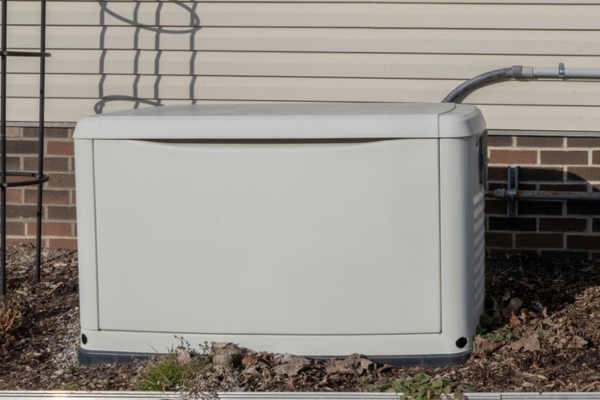
A whole-house generator helps keep your home powered, safe, and comfortable during unexpected outages. However, understanding backup generator fuel consumption is essential to control operating expenses and maintain efficient performance. Fuel usage depends on several factors, including generator size, power demand, fuel type, and operating conditions.
This article explains what affects generator fuel consumption and offers practical ways to improve efficiency, manage fuel usage, and minimize running costs without compromising reliable backup power.
Common Types of Whole-House Standby Generators
Whole-house generators come in several fuel configurations, each with distinct advantages depending on your home’s energy needs, fuel accessibility, and operating preferences. The most common options include:
- Diesel Standby Generators: Diesel-powered generators are valued for their durability, fuel efficiency, and ability to handle substantial electrical loads. They are particularly suitable for properties with reliable access to diesel fuel and higher backup power demands.
- Natural Gas Generators: Connected directly to a property’s natural gas line, these generators provide a continuous fuel supply without requiring on-site storage. They are a practical option for homeowners in communities with established natural gas infrastructure.
- Propane Whole-House Generators: Propane generators produce fewer emissions than comparable diesel models and can operate relatively quietly. Their on-site fuel storage makes them especially useful for homes without natural gas connections, as long as sufficient propane is available.
Selecting the appropriate standby generator requires evaluating local fuel availability, household electricity consumption, and long-term operating costs. Understanding these differences helps homeowners choose a dependable backup power solution suited to their specific requirements.
Key Factors That Influence Standby Generator Fuel Usage

Generator capacity and electrical output significantly affect fuel consumption. Higher-capacity units generally use more fuel to produce electricity, especially under heavy loads. Choosing a generator that matches your home’s actual power needs is essential to maintain efficiency and control fuel costs.
An oversized generator may waste fuel when operating under light loads, while an undersized system can experience frequent overloading, excessive wear, and reduced performance. Proper generator sizing helps balance reliable power delivery with economical operation.
Efficiency also determines how much fuel is needed during generator operation. Many newer models feature advanced engine controls and load-management technologies that help regulate power production based on household electricity demand.
Generator design also influences fuel economy. For example, inverter generators can adjust engine speed to match electrical loads, reducing unnecessary fuel consumption. Although this technology is more common in portable generators, understanding efficiency ratings and available features helps homeowners select equipment that delivers dependable backup power while keeping operating costs manageable.
How to Calculate Whole-House Generator Fuel Consumption
Calculating standby generator fuel usage requires considering the equipment’s capacity, fuel source, operating load, and efficiency. Basic formulas can help homeowners estimate hourly consumption and anticipate fuel expenses.
For diesel and propane generators, use the following calculation:
Generator Output (kW) × Fuel Consumption Rate (gallons per kWh) = Fuel Usage (gallons per hour)
Natural gas generators follow a similar calculation, although consumption is measured in cubic feet:
Generator Output (kW) × Fuel Consumption Rate (cubic feet per kWh) = Fuel Usage (cubic feet per hour)
Actual consumption varies with generator design, operating conditions, and electrical demand. Manufacturer fuel consumption charts provide more reliable estimates at different load levels.
For example, a 25 kW diesel generator operating at full capacity with an estimated consumption rate of 0.08 gallons per kWh would use approximately 2 gallons of diesel per hour.
Similarly, a 15 kW natural gas generator with an assumed consumption rate of 20 cubic feet per kWh would consume approximately 300 cubic feet of natural gas per hour at full output.
These hypothetical calculations demonstrate how generator capacity and fuel characteristics affect consumption. Actual rates may differ substantially, making manufacturer specifications essential for accurately estimating operating costs.
How to Lower Standby Generator Fuel Consumption in Southern New Jersey

Proper generator maintenance is essential for improving fuel efficiency and minimizing unnecessary consumption. Routine tasks, including oil changes, air filter replacements, and component checks, help maintain efficient operation and prevent performance issues that increase fuel usage.
Consistent servicing also supports reliable operation and extends equipment lifespan. Professional generator maintenance helps identify potential problems early, maintain optimal performance, and ensure your backup power system operates efficiently during unexpected outages.
Replacing an older generator with a newer, energy-efficient model can further reduce fuel consumption. Modern standby generators often incorporate improved engine technology, advanced controls, and more efficient combustion systems that help lower fuel usage and emissions.
Although upgrading requires an initial investment, long-term fuel savings and reduced repair expenses may help offset the cost. Homeowners with aging generators or equipment requiring frequent repairs should evaluate newer models to determine whether replacement offers better efficiency, reliability, and overall value.
FAQs About Generator Fuel

How Do I Choose the Right Fuel for My Whole-House Generator?
The best generator fuel depends on local availability, storage needs, operating costs, and environmental considerations. Natural gas is often convenient for homes with existing utility connections, while propane offers reliable on-site storage for properties without access to natural gas infrastructure.
How Can I Determine My Generator’s Fuel Efficiency?
To evaluate generator fuel efficiency, track fuel consumption over a specific operating period under normal electrical loads. Fuel monitoring devices and manufacturer specifications can help estimate usage. A qualified generator technician can also assess performance and provide more accurate efficiency measurements.
How Does Outdoor Temperature Affect Standby Generator Fuel Usage?
Extreme temperatures can influence generator fuel consumption and overall performance. Cold weather may increase fuel demand due to engine warm-up requirements and higher household heating loads. Proper generator placement, weather protection, and regular maintenance can help maintain efficiency during changing seasonal conditions.
What New Generator Technologies Can Improve Fuel Efficiency?
Modern generator advancements include dual-fuel systems that accommodate different fuel sources depending on availability and operating costs. Smart load management technology can also prioritize essential electrical demands and prevent unnecessary power consumption, helping homeowners improve generator efficiency and reduce fuel expenses.
How Do Environmental Regulations Influence Standby Generator Fuel Selection?
Environmental standards can affect which generator fuels and equipment are permitted, particularly regarding emissions and installation requirements. Homeowners should review applicable local regulations and consider cleaner-burning options, such as natural gas, propane, or generators equipped with advanced emission-control technology to minimize environmental impact.
Conclusion
Understanding whole-house generator fuel consumption helps homeowners improve energy efficiency, control operating expenses, and maintain dependable backup power. Generator capacity, electrical demand, fuel selection, and routine maintenance influence consumption rates. Upgrading to newer, more efficient equipment may also provide long-term savings and improved reliability.
For professional guidance, contact McAllister Energy. Our experienced team can evaluate your backup power requirements, recommend efficient generator solutions, and help keep your Southern New Jersey home prepared for unexpected outages.
Contact McAllister Energy for Reliable Whole-House Generator Services in Southern New Jersey
McAllister Energy delivers professional standby generator solutions across Southern New Jersey. Our skilled, certified technicians have the training and experience to handle generator installations, routine maintenance, and repairs with precision and care.
Whether your existing generator needs repairs, you’re considering a new installation, or you want to improve your system’s efficiency and reliability, our experienced team provides solutions tailored to your home’s specific requirements. McAllister Energy offers competitive pricing and responsive service to keep your backup power system operating dependably.
When you choose McAllister Energy, you can expect quality workmanship, knowledgeable professionals, and transparent pricing. We prioritize customer satisfaction and stand behind our services with a dependable guarantee. Call us today to schedule a generator service appointment or request a personalized in-home estimate.
You can click here to contact us now or call us at (856) 665-4545 to find out more! Click the link to view our service area.

Related Articles: