Your Guide To Choosing The Right Standby Generator For Your Home
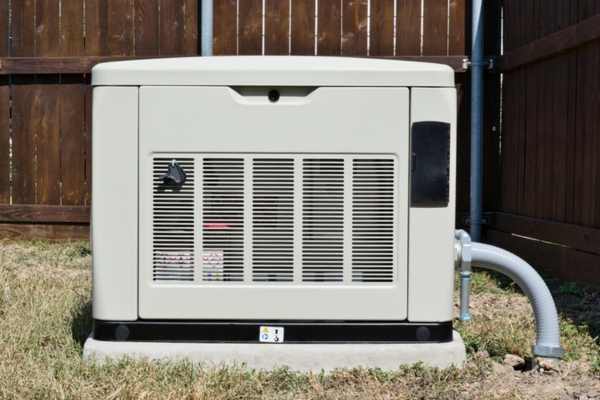
In areas where power outages frequently occur due to storms or other disruptions, having a dependable power generator is essential, rather than optional. It guarantees a steady power supply, protecting your home from the discomfort and possible harm caused by unexpected blackouts. Selecting the best standby generator with the proper features improves reliability, boosts performance, and helps extend its overall service life.
McAllister Energy stands out as a trusted provider of premium whole-house generators, recognized for expert guidance and a wide selection of reliable models.
In this article, we’ll explore the nine most vital features to consider when choosing a power generator, ensuring you find the perfect option to meet your home’s energy demands.
Stay Powered Without Disruption: Discover how a whole-house generator keeps your home operating seamlessly during outages. Contact McAllister Energy today for professional assistance.
Top 9 Key Features to Look for When Selecting a Power Generator
Contents
- 1 Top 9 Key Features to Look for When Selecting a Power Generator
- 1.1 1. Standby Power Rating and Capacity
- 1.2 2. Whole-House Generator Fuel Options and Efficiency
- 1.3 3. Power Generator Automatic Transfer Switch (ATS)
- 1.4 4. Backup Generator Sound Level
- 1.5 5. Whole-House Generator Sizing
- 1.6 6. Standby Generator Starting System
- 1.7 7. Run Time and Fuel Tank Capacity
- 1.8 8. Whole-House Generator Safety Components
- 1.9 9. On-Demand Generator Maintenance and Warranty
- 2 Best Standby Generator FAQs
- 2.1 How Often Should a Whole-House Generator Receive Maintenance?
- 2.2 Can Homeowners Install a Whole-House Generator Themselves?
- 2.3 How Long Can a Standby Generator Operate Without Stopping?
- 2.4 Is It Important to Turn On a Standby Generator Regularly?
- 2.5 What Is the Ideal Location for Installing a Whole-House Generator?
- 3 Conclusion
- 4 Call McAllister Energy for Expert Backup Generator Solutions
Here are the most critical factors to evaluate when choosing a whole-house generator.
Keep Your Home Energized with Confidence: Explore dependable, high-performance whole-house generators from McAllister Energy. Contact us today to find the perfect model for your home’s needs.
1. Standby Power Rating and Capacity
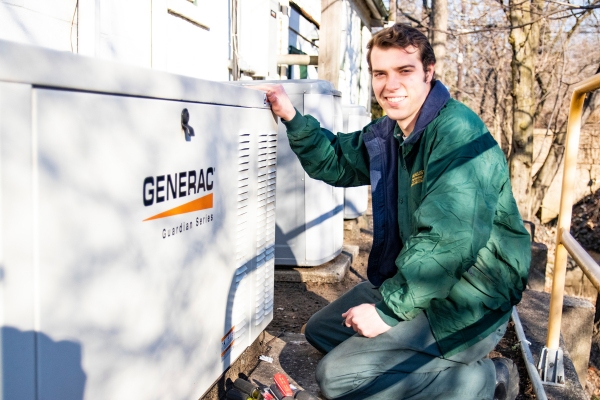
The generator’s power output and capacity indicate how much electricity it can deliver, measured in watts. Each household appliance has a specific wattage requirement.
For instance, a refrigerator usually uses about 600 watts, while a central air conditioner may need up to 4,000 watts. To maintain consistent performance, choose a generator with a capacity that exceeds your total power needs during times of highest demand.
To calculate the correct power output for your home, add up the wattage of all appliances and systems you plan to operate during an outage. Generators typically range from 5,000 to over 20,000 watts. Smaller homes often perform well with a 10,000-watt unit, while larger properties with multiple systems generally require 20,000 watts or higher to maintain consistent power.
Consult Our Generator Specialists: Looking for expert help with whole-house generator installation? Contact McAllister Energy today for professional recommendations and dependable service.
2. Whole-House Generator Fuel Options and Efficiency
The type of fuel your generator uses has a major impact on its efficiency and overall operating expenses. Common fuel sources include gasoline, diesel, propane, and natural gas, each offering distinct benefits. Diesel units are known for their longevity and powerful output, while gas-powered models deliver cleaner operation and greater convenience.
Fuel efficiency impacts your generator’s runtime and overall operational cost. Models that use less fuel to produce more power help lower expenses over the long term. While gasoline generators are typically cheaper to purchase, they often have higher operating costs and shorter service lives.
Propane-powered generators provide cleaner combustion than diesel or gasoline models but require safe fuel storage. Every fuel type offers specific advantages and limitations, so your choice should reflect your household needs, available fuel sources, and environmental preferences.
3. Power Generator Automatic Transfer Switch (ATS)
An Automatic Transfer Switch (ATS) plays a vital role in maintaining continuous power during outages. It instantly senses when electricity from the grid is lost, starting the generator within seconds to deliver an uninterrupted switch from utility power to backup power. This feature eliminates the need for manual intervention, providing fast and reliable protection against unexpected power interruptions.
Including an ATS enhances safety and convenience by minimizing outage interruptions and shielding electronics from abrupt voltage fluctuations. Many modern generator systems come equipped with a factory-installed ATS tailored to the unit’s capacity and design. This setup ensures the generator operates only when necessary, maximizing fuel efficiency and promoting longer system life.
Power Your Home with McAllister Energy! Explore dependable whole-house generator solutions designed to keep your home running efficiently during any outage. Contact us today.
4. Backup Generator Sound Level
Noise output is an important factor when choosing a backup generator, particularly in residential neighborhoods where excessive sound can disturb comfort or violate local regulations.
Generators are measured in decibels (dB), with most units producing between 60 dB, similar to a normal conversation, and 100 dB or more, comparable to the sound of a nearby motorcycle.
Knowing how decibel levels work allows you to choose a generator that operates quietly while maintaining performance. Low-noise models often feature insulated enclosures and sound-absorbing materials to minimize operational noise. These units are well-suited for residential settings where peace and comfort matter. Selecting a quiet generator ensures dependable backup power without unnecessary disturbance.
5. Whole-House Generator Sizing

Selecting the correct size for a whole-house generator is essential to balance your household’s power requirements properly. Generator capacity is measured in kilowatts (kW), indicating the number of systems and appliances it can operate simultaneously.
For example, a smaller residence may only need a 10 kW generator to handle essential equipment, while a larger property with several air conditioning units and a well pump could require 20 kW or more to manage all electrical loads efficiently.
Generators are available in multiple sizes to suit a range of residential and commercial power requirements. Common examples include:
- 10 kW units are ideal for basic emergency power needs.
- 20–30 kW models fit the requirements of mid-sized homes.
- 40–50 kW systems are built for larger residences or those with heavier energy demands.
Choosing the correct generator size promotes efficient performance and prevents system overload, protecting both your generator and household equipment.
Book Your Generator Consultation: Ensure seamless home power with McAllister Energy. Contact us today to explore whole-house generator options.
6. Standby Generator Starting System
The start-up mechanism of a standby generator plays a key role in its reliability and ease of use. There are three primary types: manual, automatic, and remote start. Manual units must be started by hand, which can be inconvenient during severe weather or when no one is home.
Automatic start systems activate the generator immediately when a power loss occurs, providing a seamless transition without user effort. Remote start options allow operation from a distance, delivering extra convenience for large homes or users who prefer added accessibility.
The ideal start-up option depends on your specific situation. Automatic systems are perfect for households with essential medical devices or residents who travel often, while manual models are suitable for those seeking a cost-effective solution. Selecting the right type guarantees dependable operation and overall peace of mind.
7. Run Time and Fuel Tank Capacity
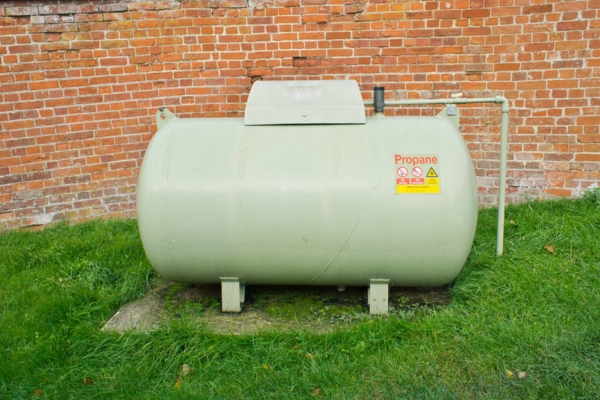
Extended run times are vital during prolonged power outages, ensuring steady operation without constant refueling. This becomes particularly important during harsh weather conditions or when fuel supplies are hard to access. The generator’s run time is primarily determined by its fuel tank capacity, with larger tanks allowing longer operation before needing a refill.
For example, a 500-gallon propane tank can keep a generator running for several days, whereas a 20-gallon gasoline tank might require refueling daily under heavy demand.
Run time and overall efficiency improve with features like eco-mode, which adjusts power output to match the load, along with regular maintenance such as oil changes and air filter cleaning to promote longer equipment life.
Secure Reliable Power for Your Home: Stay prepared for outages with McAllister Energy. Call today to find the ideal whole-house generator for your household needs.
8. Whole-House Generator Safety Components
Safety mechanisms are vital in whole-house generators to protect both the system and your home. Essential features include low-oil shutdown, which automatically powers off the unit when oil levels drop too low to prevent engine wear.
Overload protection turns the generator off if electrical demand surpasses its capacity, safeguarding connected devices and the generator itself. Spark arrestors are equally important, as they capture or extinguish sparks from the exhaust to reduce the risk of fire.
Making sure your generator complies with established safety standards and local codes is essential for legal compliance and operational safety. Units should carry certifications from organizations such as the Underwriters Laboratories (UL) and the Environmental Protection Agency (EPA), depending on their specific fuel source.
To improve overall safety, it is advisable to install carbon monoxide detectors near the generator and throughout living spaces to monitor for hazardous fumes. Routine maintenance, adequate ventilation, and secure placement away from doors, vents, and windows are additional precautions that help ensure safe and reliable generator operation, protecting your home and family.
9. On-Demand Generator Maintenance and Warranty
Simple maintenance plays a key role in preserving the durability and efficiency of whole-house generators. Units with easily accessible parts and straightforward upkeep make inspections and repairs faster, minimizing downtime and extending service life. Routine tasks, such as changing the oil, checking coolant levels, and inspecting belts and batteries, help maintain consistent performance and reliability.
Warranty protection is just as critical. Select a generator that offers comprehensive, long-term coverage and dependable customer support. A strong warranty safeguards against manufacturing defects, demonstrating the brand’s confidence in its equipment. When paired with proper maintenance, it ensures reliable performance, peace of mind, and lasting value.
Explore Reliable Whole-House Generators: Find the ideal backup power solution for your home with McAllister Energy. Call us today to discover our comprehensive range of generator options.
Best Standby Generator FAQs

How Often Should a Whole-House Generator Receive Maintenance?
Manufacturers generally advise servicing your generator once a year or after 100 to 200 hours of operation, whichever comes first. Routine maintenance includes replacing oil and filters, checking the battery, verifying coolant levels, and conducting performance tests to ensure the system is fully prepared for reliable operation when needed.
Can Homeowners Install a Whole-House Generator Themselves?
A licensed professional should always install a whole-house generator. The process involves complex electrical wiring, fuel line connections, and strict compliance with local building codes. Certified technicians guarantee correct sizing, safe ventilation, and proper placement, ensuring your system operates safely and efficiently.
Keep Your Home Powered in Every Season: Discover reliable whole-house generators built for durability and comfort. Contact McAllister Energy today to design your personalized backup power solution.
How Long Can a Standby Generator Operate Without Stopping?
The continuous runtime of a standby generator depends largely on its fuel source and tank capacity. Propane and natural gas systems can function for several days or even weeks with a steady fuel supply, while diesel and gasoline generators are restricted by tank size and typically need refueling every 24 to 72 hours of operation.
Is It Important to Turn On a Standby Generator Regularly?
Yes, it is. Operating your generator for 15 to 30 minutes once a week keeps internal parts properly lubricated, maintains battery charge, and confirms dependable startup during outages. Many modern generators include automatic exercise settings that perform this task on a scheduled basis for added convenience.
What Is the Ideal Location for Installing a Whole-House Generator?
A whole-house generator should be installed outdoors on a level, stable surface with adequate airflow. It must be positioned at least five feet from any doors, windows, or vents to reduce the risk of carbon monoxide exposure. Professional installation ensures proper placement, safety compliance, and adherence to all local building codes.
Conclusion
Choosing the right power generator requires evaluating key factors, including output capacity, fuel efficiency, noise level, size, start-up type, runtime, safety features, maintenance requirements, and warranty coverage. Understanding these elements helps make sure you select a generator that delivers dependable and efficient performance for your home.
For professional guidance and access to high-quality generators that include all these essential features, contact McAllister Energy. Safeguard your comfort and peace of mind during any outage by partnering with McAllister Energy for the best backup power solutions in Southern New Jersey.
Stay Powered Through Every Outage: Contact McAllister Energy today for exceptional standby generator solutions and dependable power whenever you need it most!
Call McAllister Energy for Expert Backup Generator Solutions
McAllister Energy delivers premier whole-house generator services across Southern New Jersey. Our certified technicians are highly trained to perform professional maintenance, repairs, and installations for all types of standby generators.
Whether you need a new generator installation, timely repairs, or maintenance to keep your current system operating at peak efficiency, our specialists provide precise, customized solutions tailored to your needs. McAllister Energy is proud to offer reliable service at competitive rates whenever you need us.
When you choose McAllister Energy, you can expect expert workmanship, friendly support, and transparent pricing. Your satisfaction is always our top priority, and our trusted guarantee backs every service. Contact us today to schedule your appointment and request an in-home consultation. Call now!
You can click here to contact us now or call us at (856) 665-4545 to find out more! Click the link to view our service area.

Related Articles: