
Heating Oil

Insulation plays a powerful role in how efficiently a home uses heating oil during winter. From attics to walls and hidden air leaks, small weaknesses can quietly drive up fuel usage. Understanding how insulation impacts heat retention can reveal why some homes stay warmer longer and why others consume more oil than expected.

Heating oil is undergoing a major transformation driven by cleaner fuels, smarter controls, and high-efficiency equipment. This article explores how modern innovations are reshaping performance, sustainability, and long-term home comfort. Discover how heating oil technology is evolving and what it could mean for the future of residential warmth.
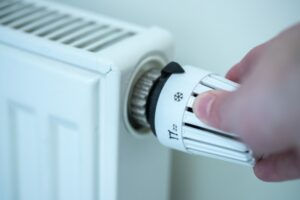
Many winter beliefs about fuel oil and home heating seem convincing, yet many actually lead to wasted energy, higher costs, and unnecessary wear on your system. This article breaks down the most common misconceptions that homeowners encounter, helping you understand what truly affects efficiency, comfort, and performance during the coldest months of the year.
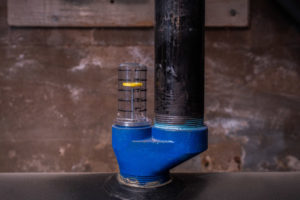
Understanding how to read your heating oil tank gauge helps you avoid running out of fuel. This article explains how float gauges work, where to find them, and how to interpret readings accurately. You’ll also learn what to do if your gauge malfunctions and smart ways to monitor fuel levels efficiently.

Understanding how heating oil works reveals why it remains one of the most efficient and dependable home heating options available today. This article explores the science behind its combustion process, key factors influencing heating oil efficiency, and how modern innovations have improved its performance, affordability, and environmental sustainability for today’s households.

As winter approaches, ensuring your heating system is ready is key to keeping your home warm and energy-efficient. One often-overlooked component is the oil heating radiator, which plays a major role in hydronic heating systems. Learn how these radiators work and what steps to take to maintain reliable warmth all winter long.

Noticing a heating oil smell in your home can be unsettling, especially if it comes from your furnace. While some odors are normal during startup, others may point to issues that require attention. Understanding the difference, knowing the common causes, and recognizing when the smell signals a problem are essential for keeping you safe.
Heating oil plays a vital role in keeping homes warm, but many homeowners wonder how to maintain its quality and protect their systems from common problems. Heating oil additives are often mentioned as a solution. Learn how these treatments work, the issues they address, and why they matter for system efficiency.

Water in a heating oil tank can quietly cause extensive damage. Learn how this moisture intrusion happens, whether from condensation or environmental factors, and why it’s a problem worth catching early. Understanding the root causes and warning signs can help protect your tank, maintain heating efficiency, and avoid unexpected repairs.

Noticing water droplets on your heating oil tank? It might be more than just condensation. Moisture inside your tank can quietly lead to major issues affecting your heating system’s efficiency and safety. Learn what causes this phenomenon, the hidden risks it poses, and practical strategies to keep your oil tank dry and functional year-round.