
Posts
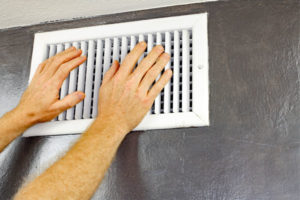
Uneven temperatures, weak airflow, and rising energy bills often point to deeper HVAC airflow issues. Many homeowners overlook how air moves through their homes and how minor restrictions can disrupt the entire system. Understanding what affects airflow can reveal why comfort fluctuates and why your heating and cooling system may not perform as expected.

HVAC installation costs can vary widely, leaving many homeowners unsure what to expect. From system type to home requirements, several factors influence the final price. Understanding what drives these costs can help you better evaluate estimates and avoid surprises, while ensuring your investment delivers reliable comfort and long-term performance for your home.

Unexpected HVAC issues often happen when you need your system most. This article explores how a structured maintenance agreement supports consistent performance, improves efficiency, and helps manage long-term costs. Learn how routine service plays a key role in preventing disruptions and maintaining comfort without diving into reactive repairs or last-minute system concerns.

Energy prices constantly fluctuate, leaving many homeowners wondering whether affordable heating oil remains a practical option. With modern equipment improvements and evolving fuel markets, heating oil continues to play an important role. Understanding the factors behind pricing and efficiency can help homeowners evaluate whether this traditional fuel remains a smart heating choice today.

When winter storms bury your yard in deep snow, your backup power system may face more challenges. Snow and ice can quietly interfere with performance and safety, increasing the risk of unexpected shutdowns. Understanding how a generator in snow responds to severe conditions can help you stay prepared before the next major storm arrives.

When your furnace blower keeps running but no heat reaches your home, it can leave you frustrated and uncomfortable. This issue often points to an underlying system concern that requires careful troubleshooting. From airflow complications to ignition irregularities, several factors may be involved. Understanding the potential causes is the first step toward restoring reliable warmth.

Keeping your home warm during winter requires more than simply filling a tank. The way your fuel is delivered can influence your schedule, budget, and overall peace of mind. Discover how structured delivery plans, efficiency improvements, and proactive service strategies can transform seasonal heating from a constant concern into a smoother, more manageable experience.
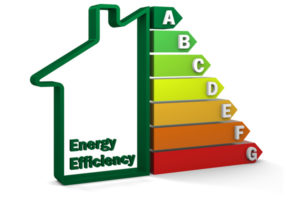
Home heating plays a major role in both indoor comfort and household energy use. As efficiency standards evolve, many homeowners are reconsidering how their systems impact carbon emissions and long-term costs. Modern heating technology offers new ways to improve performance, reduce waste, and support environmental goals without sacrificing consistent warmth throughout the winter season.

Heating oil costs can climb quickly once winter settles in, making thoughtful planning essential. Understanding how seasonal demand, household usage, and timing influence fuel expenses can help reduce surprises during colder months. With the right approach, homeowners can gain better control over winter heating costs while maintaining consistent indoor comfort.

When a thermostat calls for heat, but nothing happens, the problem can feel confusing and urgent, especially during winter. A furnace that refuses to respond often points to hidden issues within the heating system. Understanding the possible reasons behind this failure can help homeowners recognize when something is wrong and why prompt attention matters.