
Editor

Strange furnace sounds can range from harmless hums to signs of serious mechanical or electrical issues. Understanding what each noise means can help you catch problems early, avoid costly repairs, and keep your heating system running smoothly. Learn what those bangs, clicks, and squeals might really be telling you about your furnace.
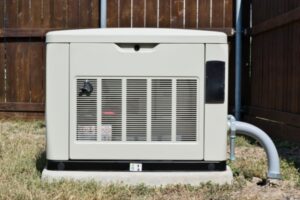
Choosing the right standby generator can make a world of difference when unexpected outages strike. Understanding the most important features helps ensure reliable performance, long lifespan, and efficient operation. This article highlights key factors to consider so you can select a unit that keeps your home protected and powered when you need it most.

Understanding how heating oil works reveals why it remains one of the most efficient and dependable home heating options available today. This article explores the science behind its combustion process, key factors influencing heating oil efficiency, and how modern innovations have improved its performance, affordability, and environmental sustainability for today’s households.

As winter approaches, ensuring your furnace is ready can make all the difference in comfort and reliability. Simple maintenance steps can help prevent breakdowns, improve efficiency, and extend your system’s lifespan. Learn practical ways to prepare your furnace before the cold sets in and keep your home running smoothly through the chilly months ahead.

As winter approaches, ensuring your heating system is ready is key to keeping your home warm and energy-efficient. One often-overlooked component is the oil heating radiator, which plays a major role in hydronic heating systems. Learn how these radiators work and what steps to take to maintain reliable warmth all winter long.

Standby backup generators provide critical power when outages strike, but problems can arise when you least expect them. If your generator doesn’t start, several common culprits may be responsible. From fuel supply to electrical or sensor malfunctions, understanding the most likely causes is key to keeping your system dependable when it’s needed most.

Selecting the right size heating system is more than just matching square footage; it affects your comfort, efficiency, and energy bills. An oversized unit may cycle too often, while an undersized one struggles to keep up. Understanding the factors that influence sizing can help you avoid common pitfalls and ensure steady warmth.

When comparing heating options, two systems often stand out: forced air and hydronic. Each has unique qualities that affect energy efficiency, comfort, installation, and long-term value. Understanding how these systems differ helps homeowners choose the best fit for their lifestyle and home design without overlooking important considerations that can impact overall performance.

Water in a heating oil tank can quietly cause extensive damage. Learn how this moisture intrusion happens, whether from condensation or environmental factors, and why it’s a problem worth catching early. Understanding the root causes and warning signs can help protect your tank, maintain heating efficiency, and avoid unexpected repairs.

When your AC can’t keep up during the hottest days of late summer, it’s often a sign that something deeper is going wrong. From airflow issues and dirty coils to refrigerant problems or outdated systems, understanding the causes of reduced cooling performance can help restore comfort before the end of the season.