
Editor

Rust on your air conditioner’s condenser might seem like just a cosmetic issue, but it can signal deeper problems that affect your system’s efficiency and lifespan. Understanding why rust forms and how it impacts your cooling system is essential to keeping your home comfortable and avoiding costly repairs. Continue reading to know more.

With energy prices climbing and older cooling systems struggling to keep up, many homeowners are questioning just how much more efficient newer air conditioners really are. This article explores the latest advancements in AC technology, the meaning behind energy efficiency ratings, and how modern systems stack up against outdated models.
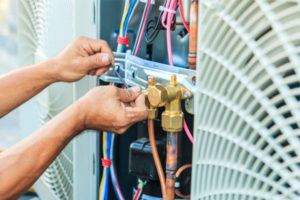
A well-maintained air conditioner can make all the difference when summer temperatures soar. Beyond just keeping your home cool, scheduling a professional AC tune-up comes with several unexpected advantages. Discover why this simple service can lead to long-term savings, better performance, and peace of mind when you need it most.

Ductless air conditioners, also known as mini-split systems, provide an energy-efficient alternative to traditional cooling. With no need for extensive ductwork, they offer flexible, zoned temperature control tailored to different areas of your home. But how exactly do they work, and what makes them effective? Let’s explore the mechanics behind these innovative cooling systems.

Cooling a historic home can be tricky—how do you maintain its charm while keeping it comfortable in the summer? Many older homes lack ductwork, making traditional AC installations invasive and impractical. This article explores the unique challenges of cooling historic homes and introduces a modern solution that blends efficiency with preservation.
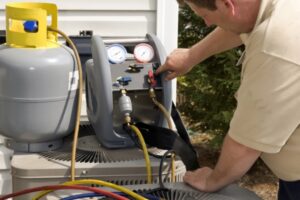
Did you know that a routine air conditioner tune-up can help you cut costs on energy bills, extend your system’s lifespan, and more? Many homeowners overlook this essential maintenance, but the financial benefits are undeniable. Discover how a simple service can improve efficiency, reduce unexpected breakdowns, and keep your home comfortable all season long.
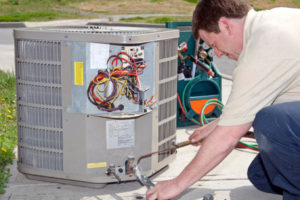
Your air conditioning system is aging—should you replace just the outdoor unit or the entire system? While swapping out only the outside AC unit might seem like a cost-saving option, it could lead to inefficiencies, compatibility issues, and higher expenses down the road. Before making a decision, here’s what you need to know.

Replacing your air conditioner is a big investment, and the company you choose for installation can make all the difference. A poorly installed system can lead to inefficiency and higher energy costs. But how do you separate the best HVAC contractors from the rest? Understanding key factors can ensure your new AC runs efficiently.

Choosing the right heating oil tank size is more important than you might think. The wrong size could lead to frequent refills, higher costs, or even running out of fuel at the worst time. Whether you’re upgrading or installing a new tank, understanding your household’s oil consumption and storage needs is key to comfort.

As temperatures drop, your heat pump works harder to keep your home warm. But winter can bring unique challenges. If you’ve noticed your system struggling or rising energy bills, you may be dealing with common seasonal issues. Discover what causes these problems and how to keep your heat pump running smoothly all winter long.