
Editor
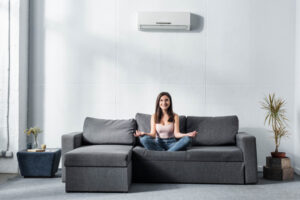
Air conditioning has transformed daily life in ways many people rarely consider. The pursuit of indoor comfort has influenced homes, businesses, and workplaces, travel, and even city growth. Explore the fascinating history of the comfort air conditioner and discover how evolving technology continues to shape how people experience indoor environments today.

Indoor air may contain more pollutants than many homeowners realize, especially in tightly sealed homes where contaminants circulate continuously. Several hidden factors can affect comfort and wellness indoors. Understanding the causes of poor air quality and the role your HVAC system plays can help create a cleaner, healthier living environment year-round.

Spring pollen can quickly turn a comfortable home into a source of ongoing allergy irritation. Many homeowners do not realize how much their HVAC system influences indoor air quality and allergen circulation. This article explores how pollen enters the home, the roles of filtration and airflow, and several strategies to help reduce airborne allergens.

Misunderstandings about HVAC service often seem harmless at first, but they can quietly impact your system. From maintenance habits to equipment assumptions, common myths continue to influence homeowner decisions. Understanding where these ideas come from can help you avoid costly missteps and take a more informed approach to heating and cooling care.
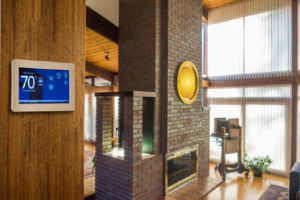
A programmable thermostat does more than adjust temperature; it follows your daily routine with precision. By sensing indoor conditions and responding automatically, it helps maintain comfort without constant input. But what makes this possible behind the scenes? Understanding the technology and components involved reveals how small adjustments can lead to smarter, more efficient temperature control.
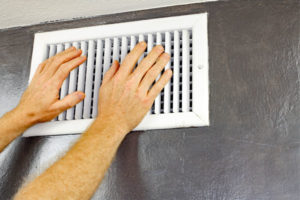
Uneven temperatures, weak airflow, and rising energy bills often point to deeper HVAC airflow issues. Many homeowners overlook how air moves through their homes and how minor restrictions can disrupt the entire system. Understanding what affects airflow can reveal why comfort fluctuates and why your heating and cooling system may not perform as expected.

Unexpected HVAC issues often happen when you need your system most. This article explores how a structured maintenance agreement supports consistent performance, improves efficiency, and helps manage long-term costs. Learn how routine service plays a key role in preventing disruptions and maintaining comfort without diving into reactive repairs or last-minute system concerns.
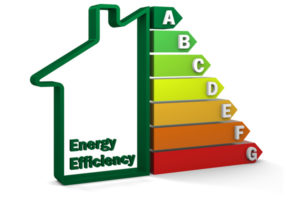
Home heating plays a major role in both indoor comfort and household energy use. As efficiency standards evolve, many homeowners are reconsidering how their systems impact carbon emissions and long-term costs. Modern heating technology offers new ways to improve performance, reduce waste, and support environmental goals without sacrificing consistent warmth throughout the winter season.

When a thermostat calls for heat, but nothing happens, the problem can feel confusing and urgent, especially during winter. A furnace that refuses to respond often points to hidden issues within the heating system. Understanding the possible reasons behind this failure can help homeowners recognize when something is wrong and why prompt attention matters.

Although a furnace can last for a while, it will wear out and need extra maintenance. If you are not an HVAC technician, it probably isn’t possible for you to fix every issue. However, there are a few furnace troubleshooting tips you can learn. This article discusses the most straightforward furnace troubleshooting tips.